For asset-heavy operations
The Engineering Behind Your Digital Twin
Digital twin initiatives stall when data stays fragmented across sensors, SaaS, ERP and legacy systems. Toobler engineers the integration, modeling and operational layer that turns real assets and processes into a live model — not a boxed platform, but the connected foundation the model needs to earn its keep.
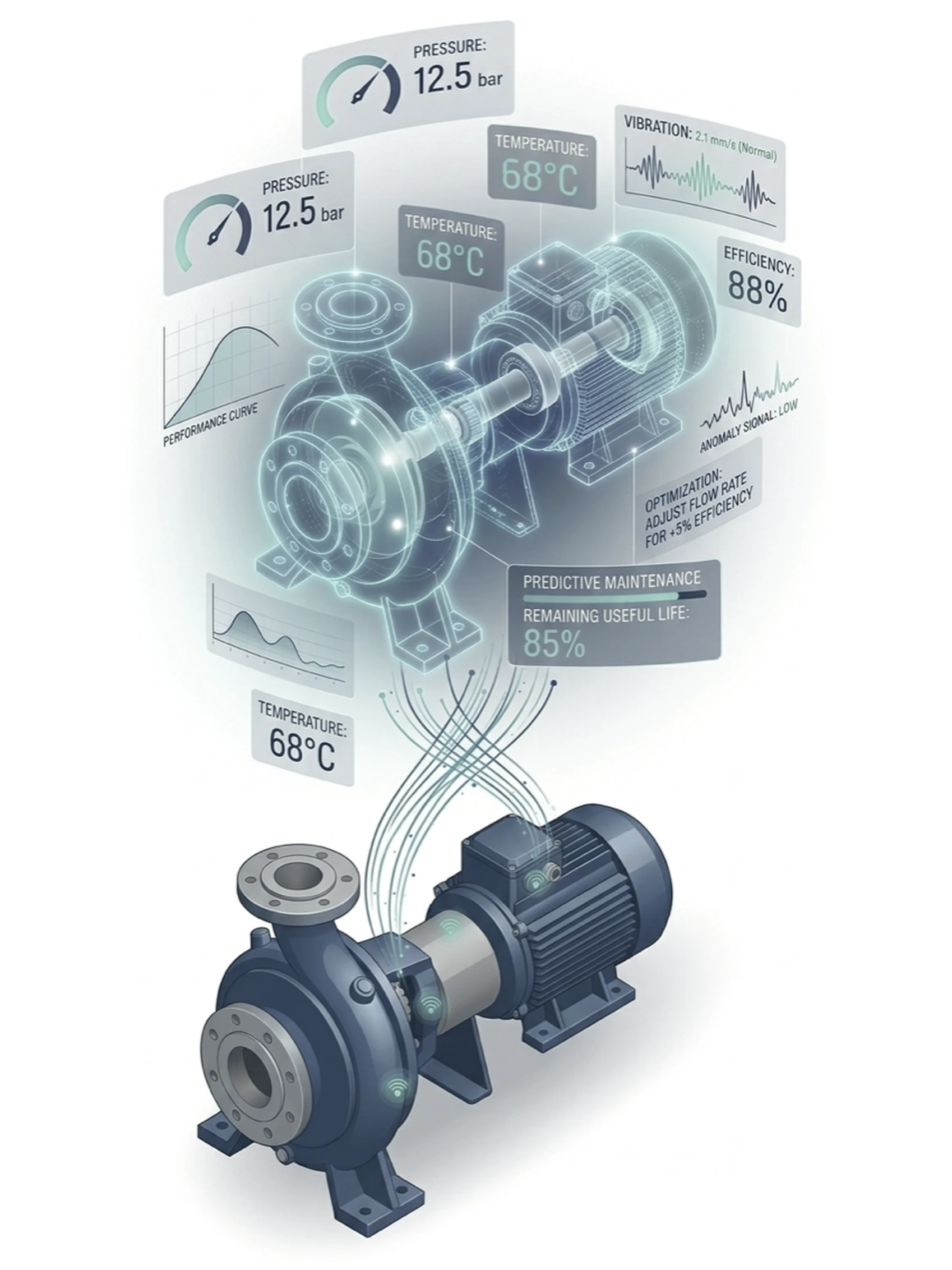
Digital twin engineering
What Is a Digital Twin, Built on Your Own Systems
A digital twin is a live, contextualized model of a physical asset or process — kept current by data from sensors, control systems, ERP, CMMS and other systems of record, not a static 3D model refreshed by hand. How the technology works in practice depends less on the visualization layer and more on the engineering underneath: integration to connect every data source, a data and semantic model that reflects the real asset structure, and the operational logic that turns state into a decision.
Toobler engineers that underlying layer. We build on the systems you already run rather than asking you to adopt a closed digital twin product — using operational intelligence we engineer and support, where a twin is the right technique for the problem.
Why Digital Twin Initiatives Stall Before They Deliver Value
- 01 — The stall
Most digital twin programs stall not because the visualization is wrong, but because the data behind it is fragmented — asset data in ERP, condition data in SCADA and IoT platforms, maintenance history in CMMS, design data in BIM or CAD, none of it reliably connected. A model built once on a data extract goes stale, leaving teams with an expensive reference view rather than an operational tool.
- 02 — How we engineer it
Toobler engineers the layer a twin actually depends on: connecting the source systems and devices, building the asset and process model on live, structured data, adding the operational context that makes the model meaningful, and governing any automation that acts on it. We deliver this as engineering work on your infrastructure and chosen tools, not as a proprietary platform you must adopt.
- 03 — What you get
The result is a digital twin that reflects the real asset as it changes, supports engineering and operations decisions with current data, and can extend into governed automation as trust in the model grows.
The method
Connect, Understand and Act — Applied to Your Digital Twin
We apply the same engineering method across every digital twin engagement, adapted to the asset or process in scope.
- 01
Connect
Integrate sensors, SCADA, IoT platforms, ERP, CMMS and design data into reliable pipelines, so the twin has one dependable source of operational truth.
- 02
Modernize
Where legacy applications or data stores can't support the twin, we modernize the platform underneath rather than working around it.
- 03
Understand
Build the asset and process model on that connected data, adding the operational context — state, history, relationships — that makes it meaningful to engineers and operators.
- 04
Act
Where justified, add governed automation and alerts on top of the model, with human approval retained for consequential actions.
- 05
Operate
Support, extend and improve the twin in production as assets, processes and data sources change.
What you get
A Scoped Set of Digital Twin Engineering Services
We deliver digital twin work as three scoped engagements, sized to where your initiative actually is.
- Capability
The Digital Twin Platform Behind Our Work
A digital twin built from zero is a research project with a deadline. Ours start on Duora, the operational twin platform from our partner Thingspine.
- Capability
Digital Twin Consulting & Strategy Services
Digital twin consulting from Toobler — assess your assets, data and use cases, and scope a twin that earns its keep before you build.
- Capability
Digital Twin Development & Modeling Services
Digital twin development from Toobler — the model, visualization and simulation engineered on your real data, not an off-the-shelf platform.
- Capability
Digital Twin Integration & IoT Services
Digital twin integration from Toobler — connect sensors, SCADA, IoT, ERP and CMMS into reliable pipelines that keep the twin live and accurate.
Industries
Digital Twins Across Manufacturing and Construction
Asset-heavy industries get the most from a digital twin when it is engineered on their own operational data. We work primarily in manufacturing, construction and facilities, and energy, where asset context and process history are already business-critical.
- Industry
Manufacturing & Industrial
Production, inventory and maintenance data sits across MES, ERP modules and shop-floor devices that were never designed to talk to each other. Toobler connects them into one operational picture.
- Industry
Construction & Facilities
Construction data sits in separate systems — projects, cost, workforce, site — and no product template joins them the way your teams actually work. Toobler engineers platforms that do.
Proof
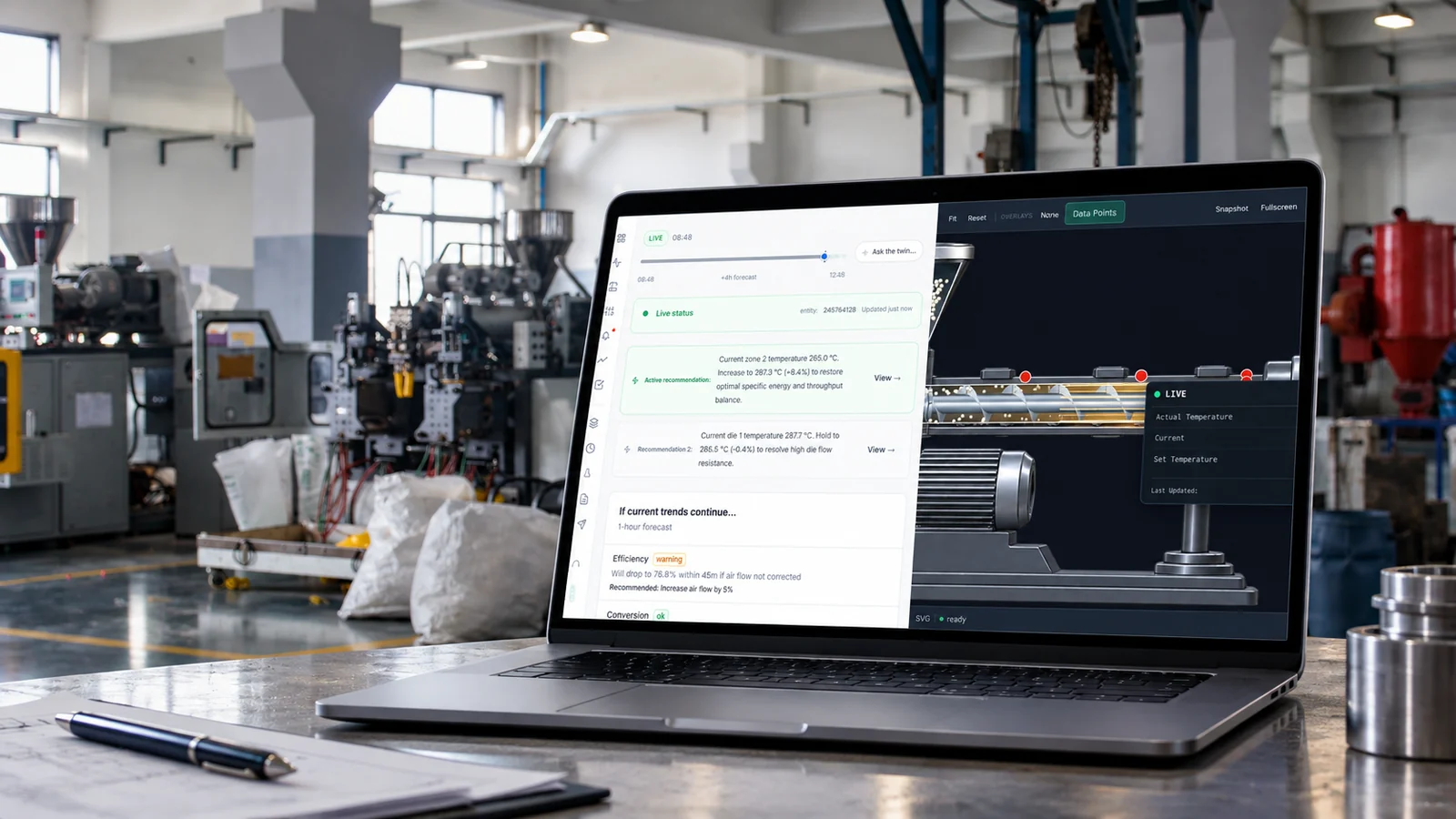
A physics digital twin running beside the machine
A real-time physics digital twin of an extrusion line, and an assistant that recommends the smallest dial change that clears a fault
How Toobler built a real-time physics digital twin and an AI recommender for a plastics extrusion line, advising the smallest dial change that clears a fault.
Proof, not promises
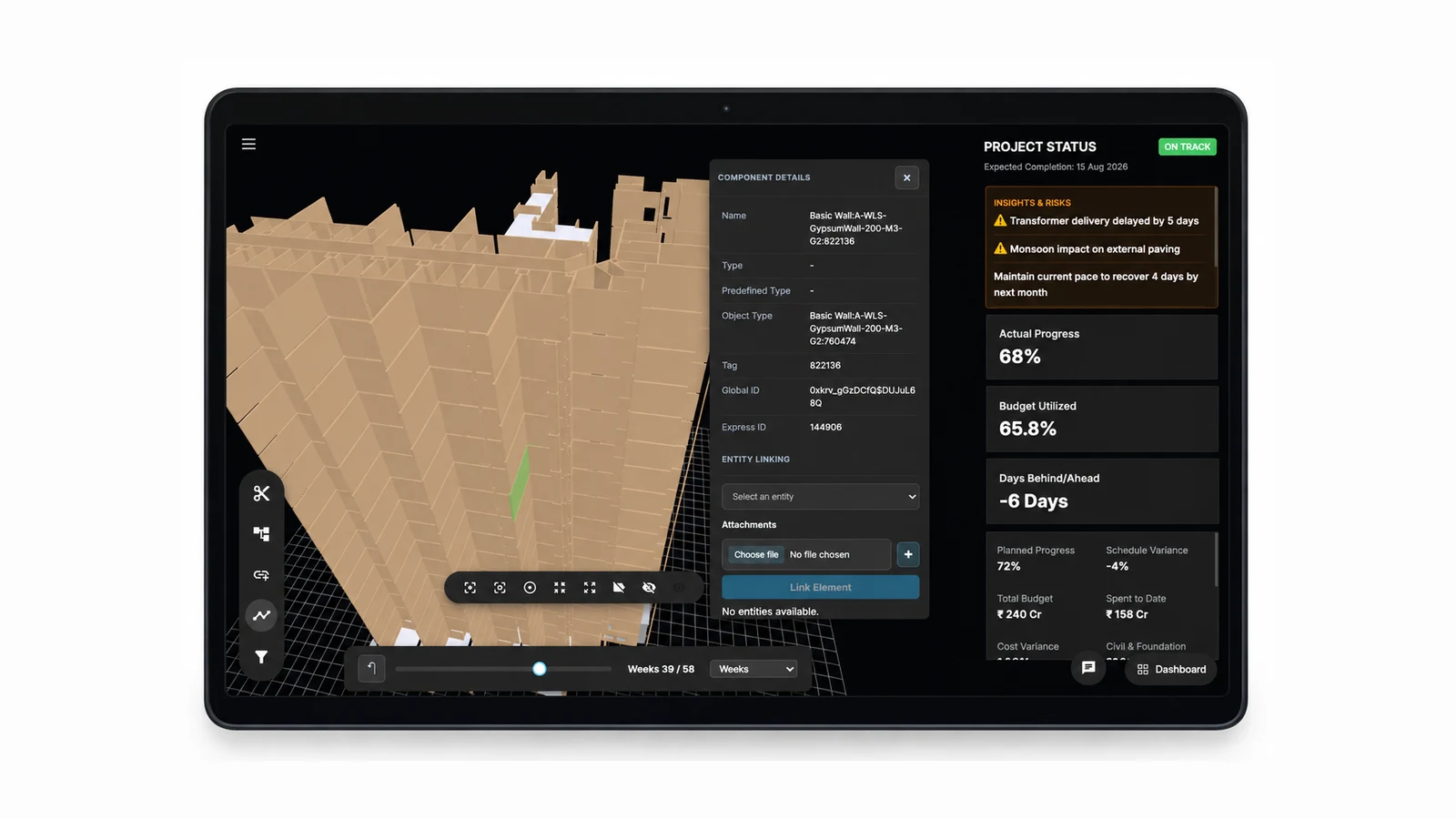
NaelA construction digital twin, delivered and integrated with BIM
A BIM-integrated construction progress digital twin — simulation, live monitoring and AI forecasting of cost, timeline and resources
How Toobler engineered a BIM-integrated construction progress digital twin for Nael — simulation, live monitoring and AI forecasting of cost, timeline and resources.
Proof
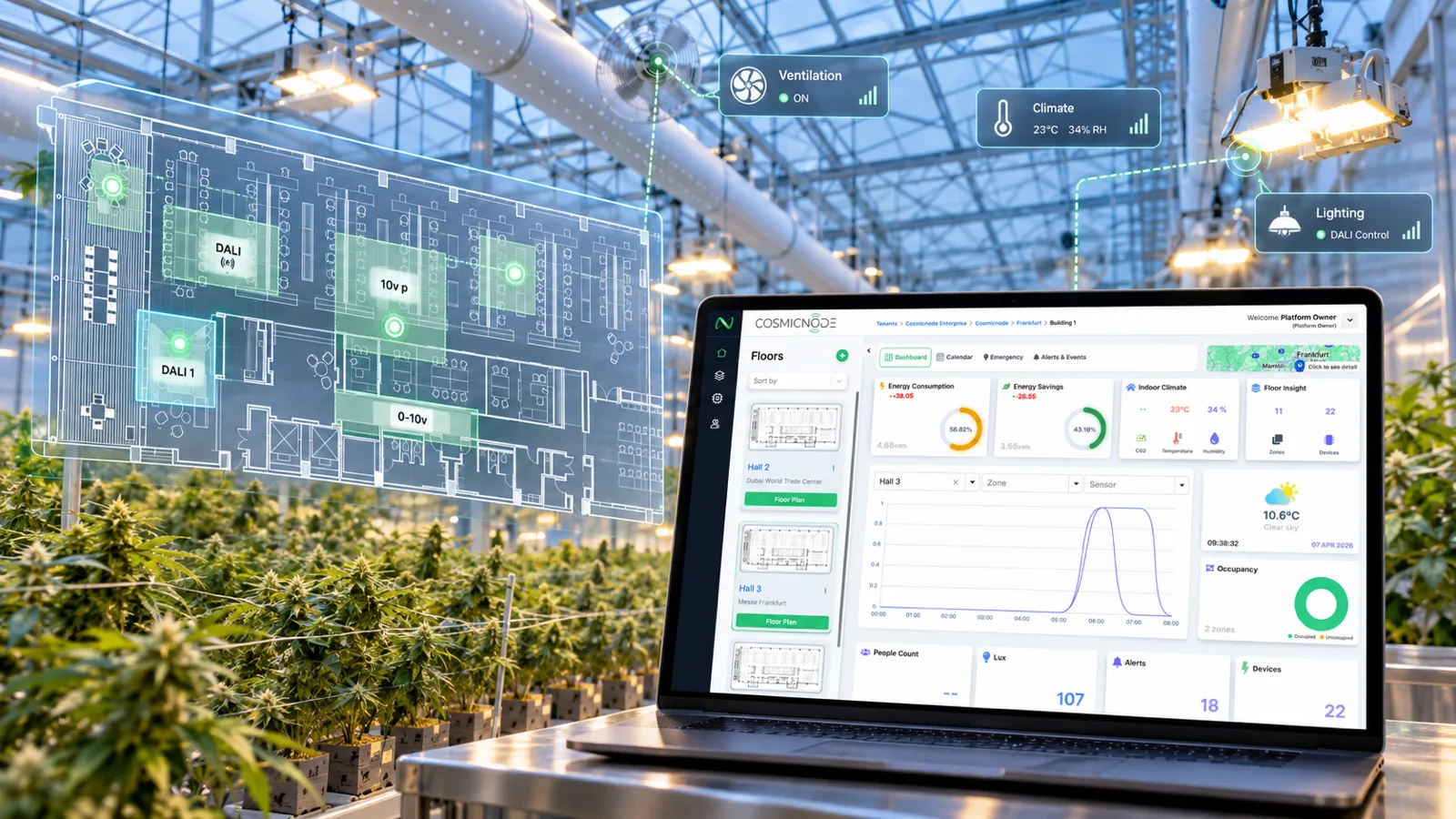
A live digital model of a connected-lighting estate
A multi-tenant, multi-site cloud platform for a wireless lighting-controls company: it turns thousands of connected LED fixtures and sensors across greenhouses and smart buildings into one remotely managed, monitored and automated system.
How Toobler built a multi-tenant cloud platform for connected lighting: real-time control and monitoring of thousands of LED fixtures and sensors.
Start With a Digital Twin Scoping Session
A short, fixed-scope engagement: we assess your assets, data sources and highest-value use cases, then map what a twin should model and what it takes to build. You leave with a scoped plan and a realistic first build — not a big-bang project.