Platform and engineering
The foundation is already running
A digital twin built from zero is a research project with a deadline attached. Ours start on a platform already proven in production, so the engineering goes straight into your assets, your data and the decisions you want to get right.
Twin projects stall at the plumbing
Digital twin projects stall in a predictable place. Not at the modeling — at the plumbing. Six months in, the team is still reconciling tag names between a historian and an ERP, and the twin that was supposed to predict something is a diagram with a data problem.
A platform does not remove that work, but it means the work is configuration rather than invention. The data fabric, the asset model, the time-series handling and the governance already exist and have been run by someone else, under load, before you.
What is left is the part that is actually about your operation: which assets matter, what good looks like for them, and what somebody should do when it stops looking that way.
The platform we build on
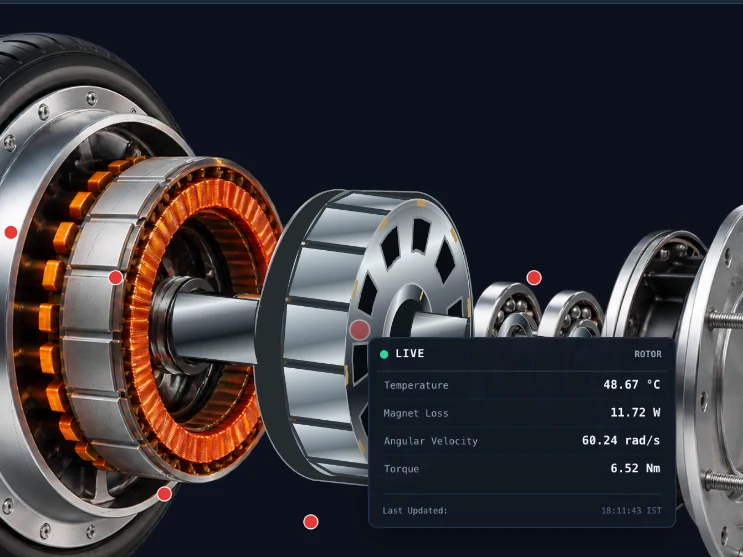
We build on Duora, the operational digital twin platform from our partner Thingspine. It unifies operational, IT and engineering data into a governed model of a physical operation — plant, building, network or supply chain — and it already does the things operations teams ask for: predictive maintenance, energy optimization, throughput and asset performance.
Thingspine builds and maintains the platform. Toobler is the engineering. We connect it to the systems you run, model your assets and processes inside it, build the interfaces and calculations your teams work from, and write whatever your operation needs that the platform does not already cover.
That division of labor is the point: a specialist keeps the foundation current while our engineers spend their time on the part that is specific to you.
Toobler's part
What we build on top
-
Integration into your systems
Control systems, historians, sensors, ERP and the business software around them — connected and reconciled, which is where most twin projects actually stall.
-
Your asset and process model
The platform provides the modeling; what each asset is, how it behaves and what good looks like for it is specific to your operation and is engineering, not configuration.
-
Calculations the panel cannot show
Derived quantities — efficiency, condition, deviation — computed rather than read, because the useful number is rarely one an instrument reports.
-
Interfaces your teams will use
Operator, maintenance and leadership views built for the decision each one has to make, not a single dashboard that serves none of them well.
-
Whatever sits outside the platform
Where your operation needs something the platform does not cover, we engineer it — which is why the platform is a starting point rather than a ceiling.
-
Running it, where you want that
We can stay on and operate what we build. Most clients take it in-house, and it is engineered to be handed over.
Approach
How an engagement runs
- 01
Start with the decision
Which operational decision should get better. A twin with no decision attached is an expensive diagram.
- 02
Connect what exists
The systems, tags and data you already produce — mapped and reconciled onto the platform's model.
- 03
Model your assets
The part that cannot be bought: what your equipment is, how it behaves, and what it looks like when it is drifting.
- 04
Put it where the decision is made
On the line, in the control room or in the maintenance queue — not in a report somebody opens afterwards.
Proof
Twins we have engineered
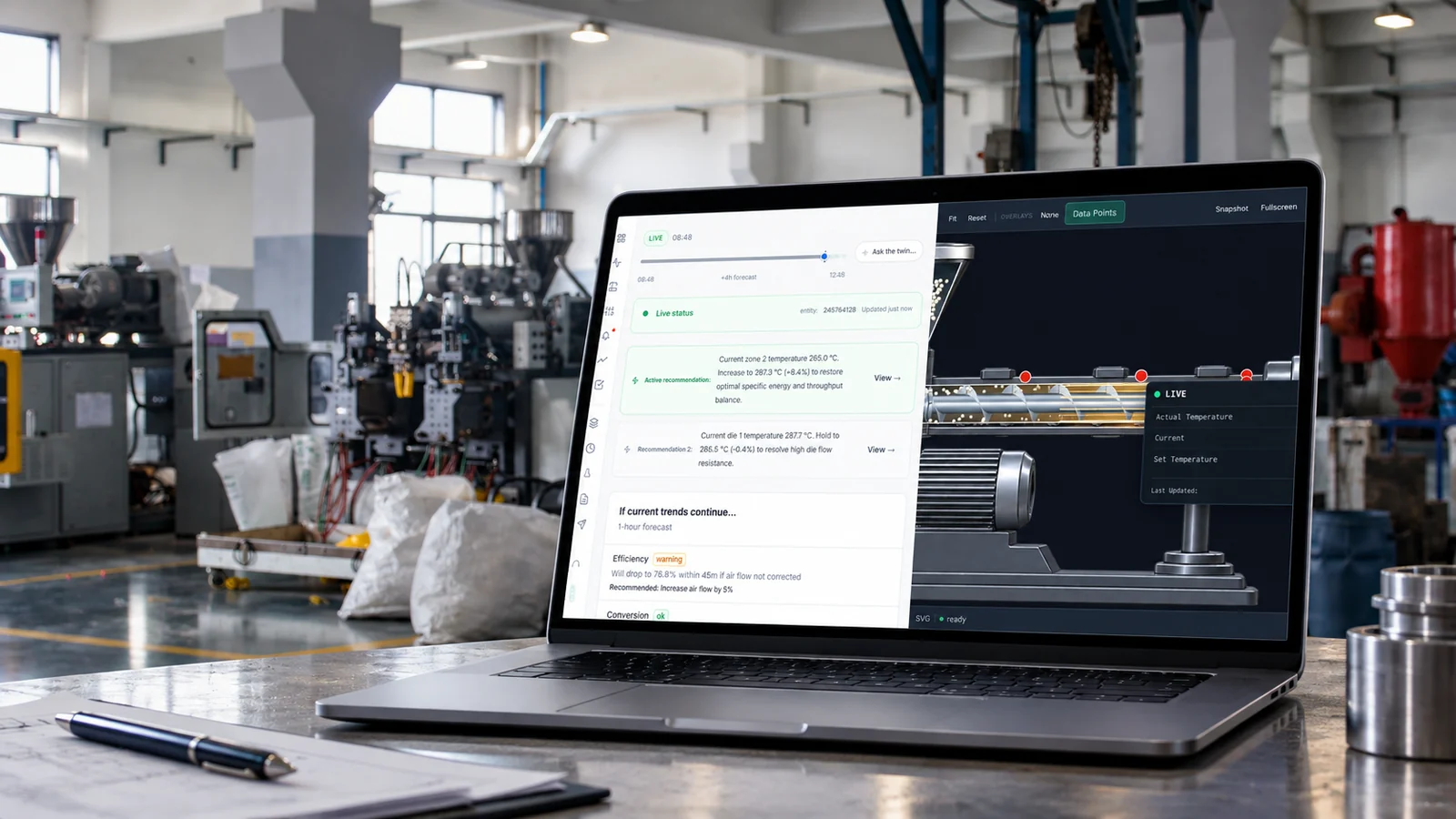 Case study Manufacturing · Digital Twin · AI
Telling the operator which dial to turn
How Toobler built a real-time physics digital twin and an AI recommender for a plastics extrusion line, advising the smallest dial change that clears a fault.
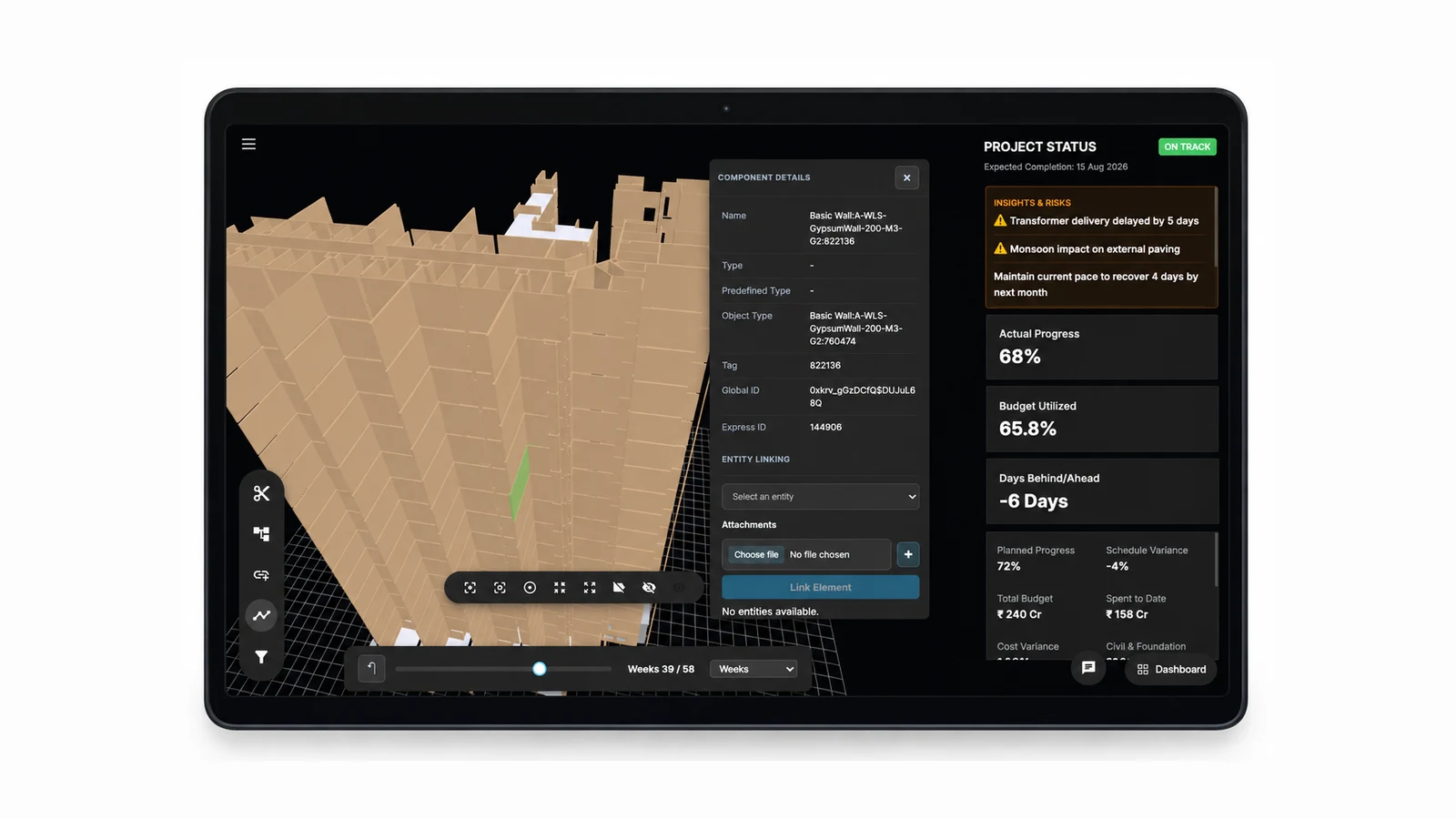 Case study Construction · Digital Twin · IoT
A Construction Progress Digital Twin, Integrated with BIM
How Toobler engineered a BIM-integrated construction progress digital twin for Nael — simulation, live monitoring and AI forecasting of cost, timeline and resources.
Start with the decision, not the technology
A readiness sprint maps the systems, the data and the integration surface, and comes back with what a twin would actually change — before anyone commits to building one.