Solutions · Operate
Product engineering that keeps running
A product is never finished. We run dedicated engineering pods that build it, evolve it and keep it running — web, mobile and cloud — long after launch. An engineering partner for the long haul, not a project shop.
A product is never finished
The hard part of a product is not the first release. It is the second year — when the original team has moved on, the roadmap is competing with the defect queue, and every change costs more than the last because nobody still holds the whole picture.
A pod is a standing team that keeps that picture. It builds, it operates what it builds, and it carries the context forward rather than handing it over. That continuity is most of the value; the engineering is what it spends its time on.
It is not staff augmentation. The unit of work is an outcome rather than a headcount, and the team is accountable for the product continuing to work, not just for tickets closing.
What it covers
Build it, then keep it running
-
Dedicated pods
A standing team that owns your product’s engineering over time.
-
Build & evolve
From new products to continuous development across web, mobile and cloud.
-
Operate & support
We keep it healthy, secure and improving as the business grows.
How an engagement runs
From first step to running
- 01
Scope
The product, the first phase and what to build now.
- 02
Build
Across web, mobile and cloud, as a dedicated pod.
- 03
Scale
Take it from first release to a platform that holds up.
- 04
Operate
Keep it healthy, secure and improving over time.
Proof
Where it has run before
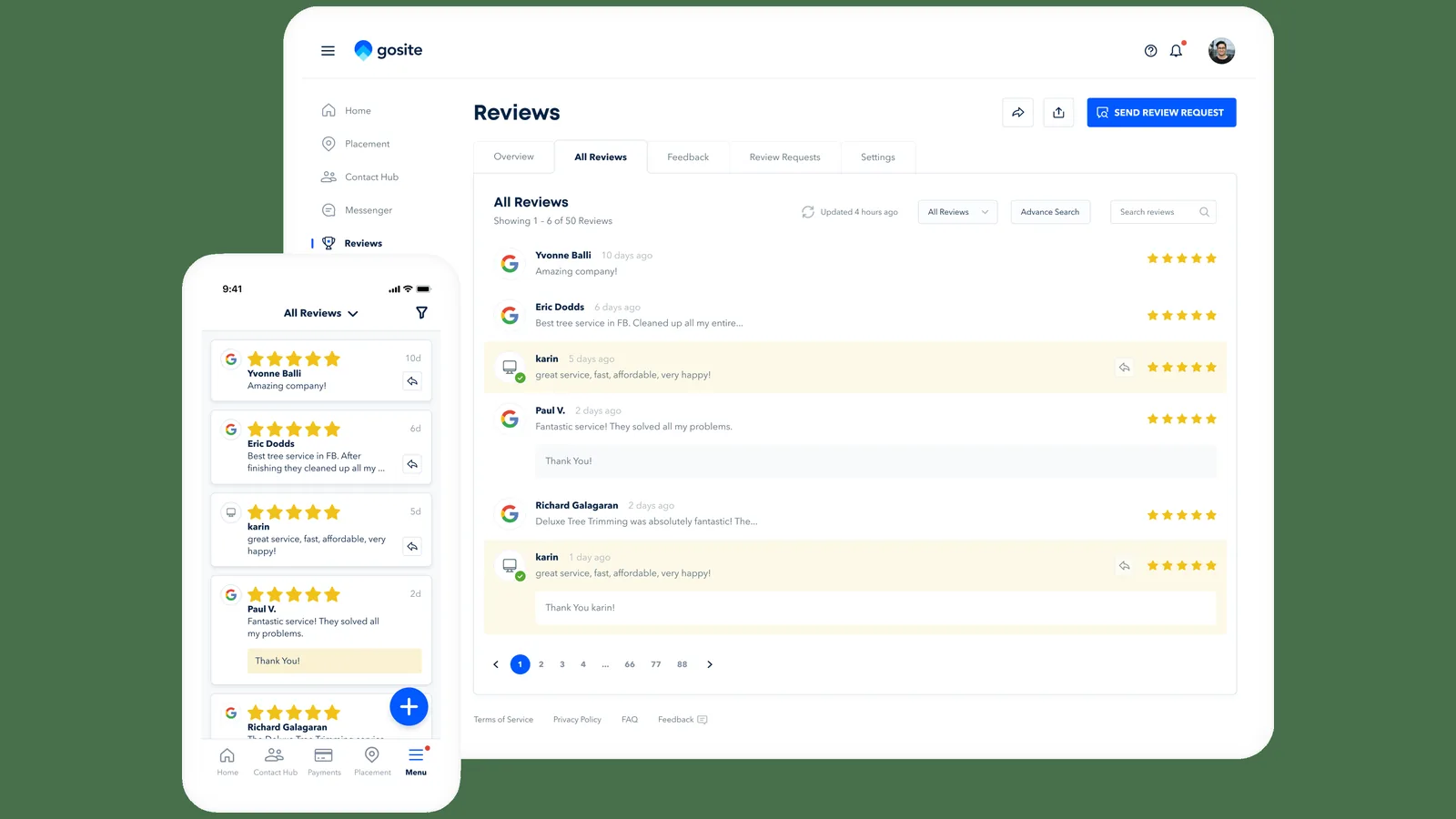 Case study SaaS Product Engineering · Mobile
From website builder to all-in-one SaaS platform
How Toobler engineered GoSite's all-in-one SaaS platform for local service businesses — a no-code website builder, unified CRM/booking/payments/reviews/messaging, native mobile, on a serverless AWS stack — over six years.
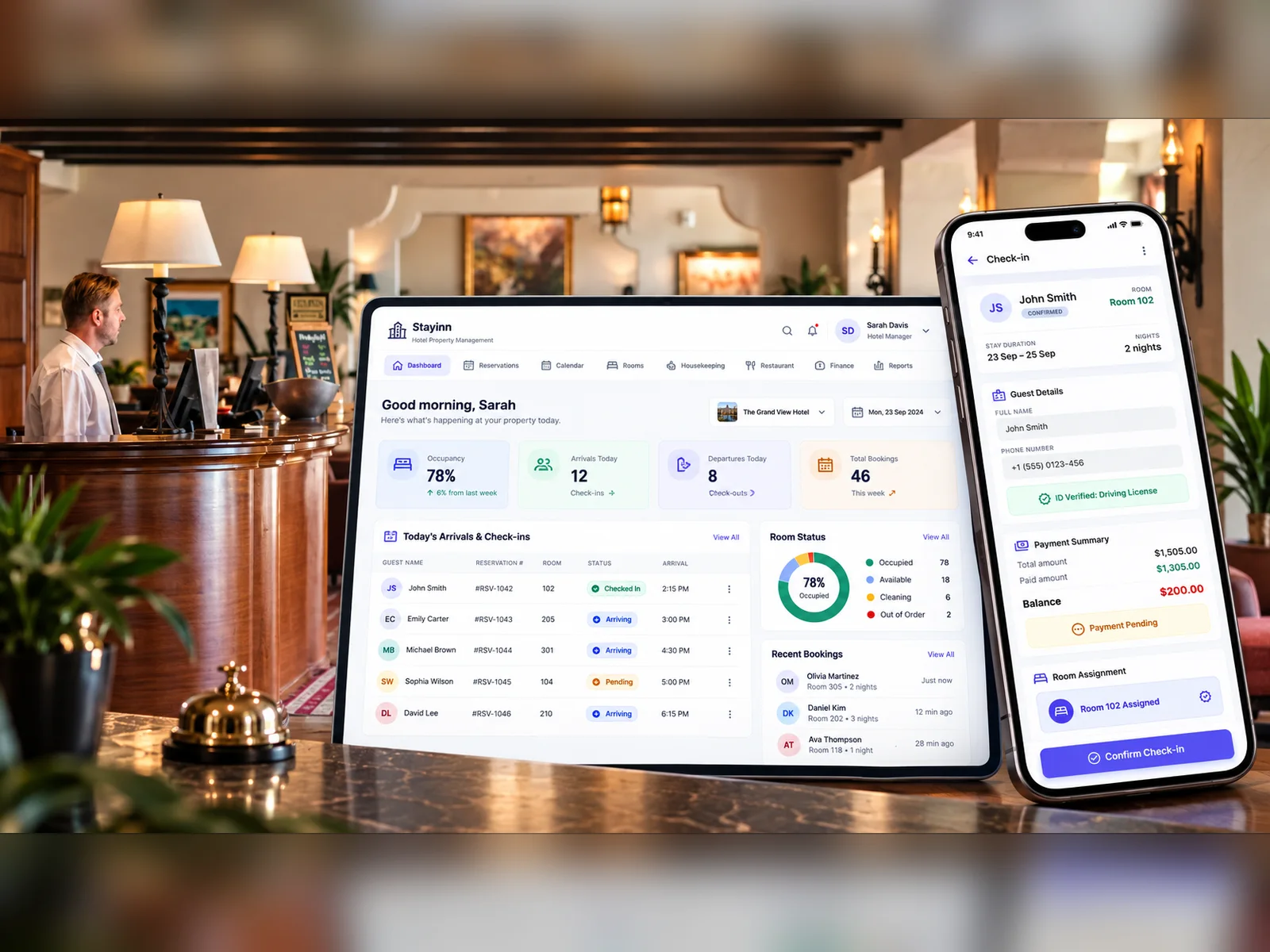 Case study Hospitality · PMS · Multi-tenant
A multi-tenant hotel property management system
Willmount is a mobile-first, multi-tenant hotel property management system — reservations, rooms, rates, housekeeping, restaurant, finance and OTA channels.
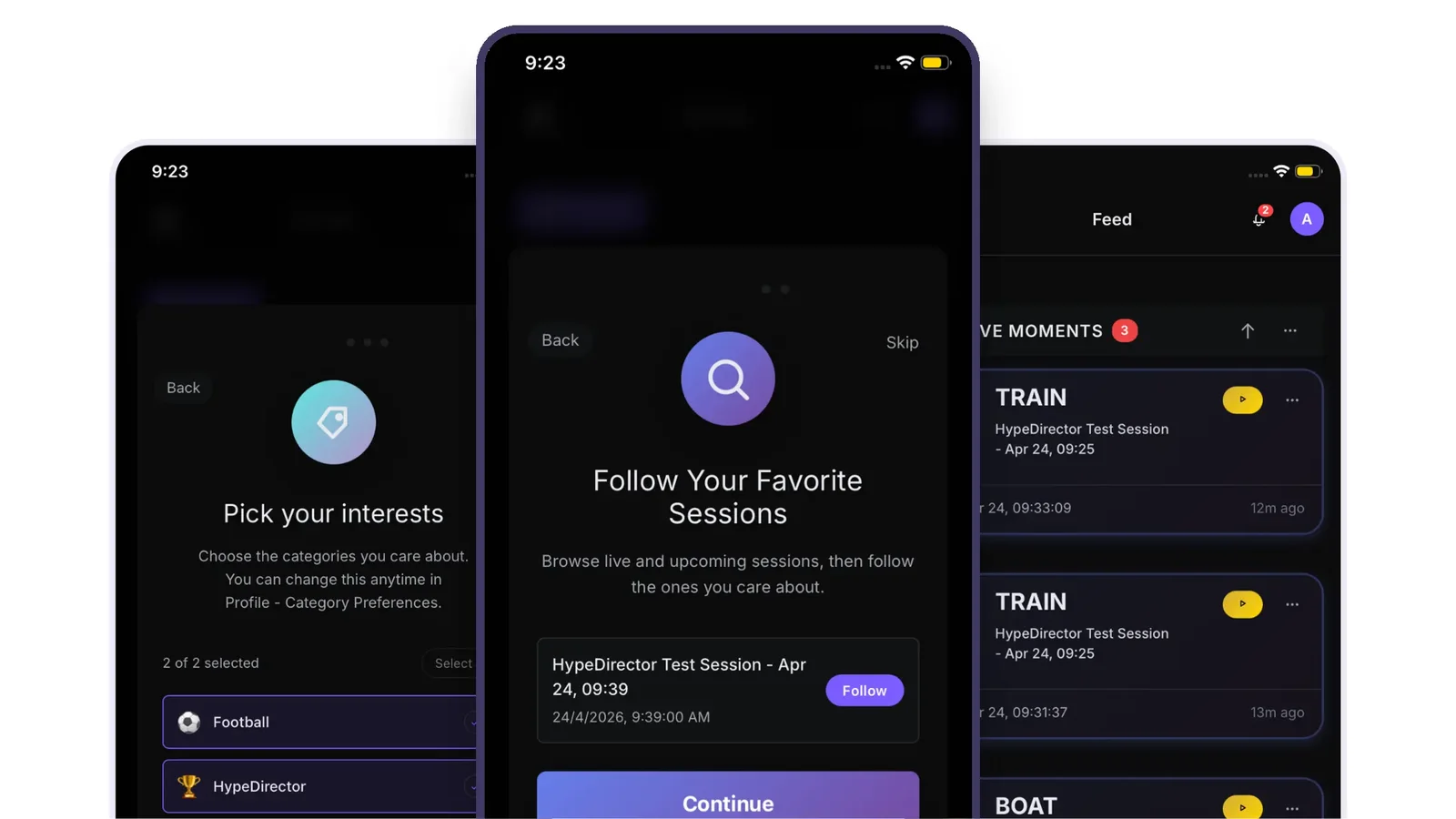 Case study Live Streaming · Real-time · AI
A real-time platform for live moments
How Toobler engineered HypeDirector — a real-time, AI-powered live-content platform across native iOS/Android, PWA and web: live streaming, AI-and-human moment detection, a live clip-and-notify pipeline and real-time push at scale.
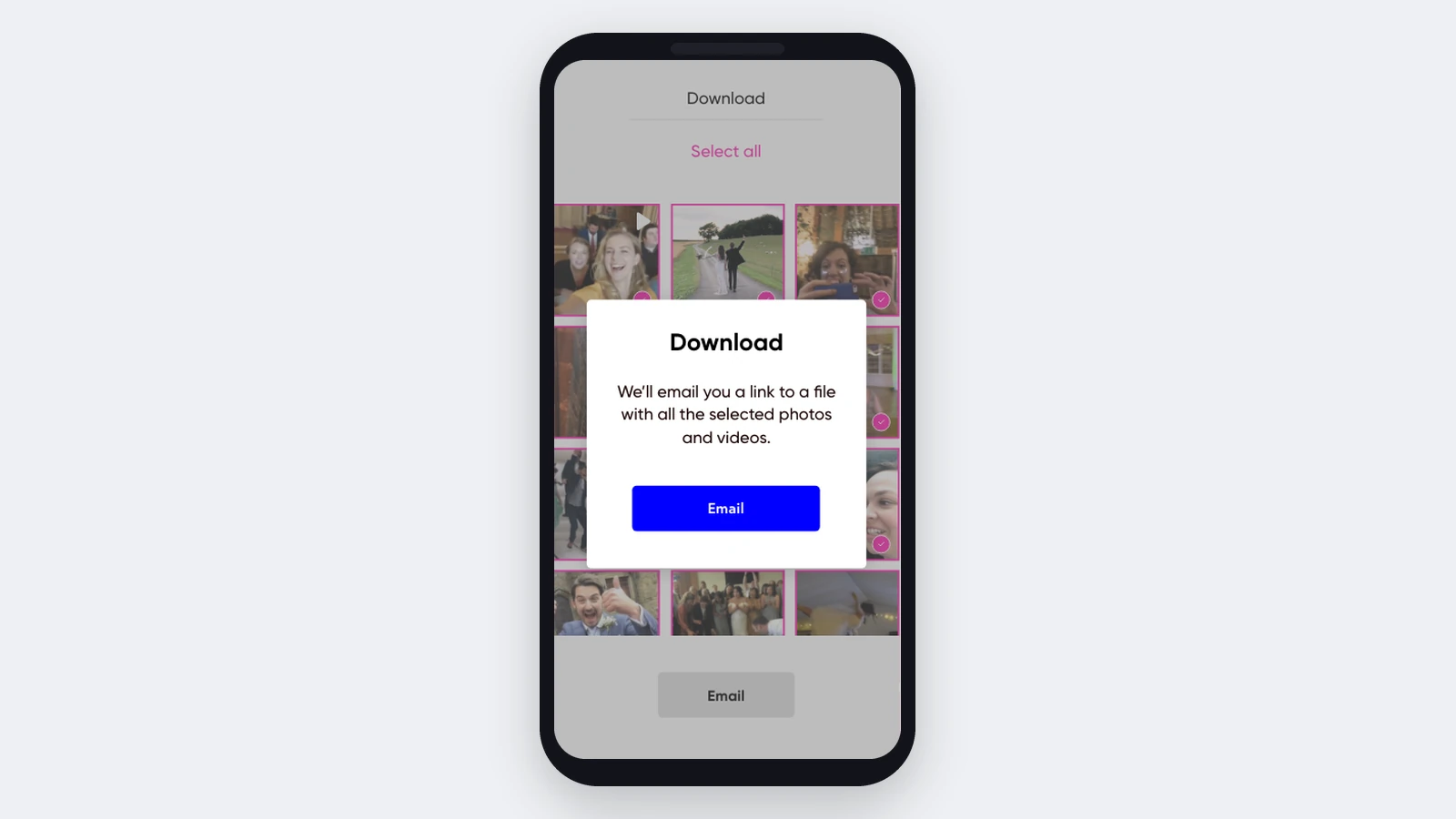 Case study Video · Serverless
A platform for creating and sharing video
How Toobler built vidiCrew — a collaborative video-production and media platform on a serverless AWS pipeline (MediaConvert to HLS to CloudFront), with searchable galleries and web plus native iOS and Android apps.
Need a team that owns your product?
Let’s scope a pod around what you’re building.