Solutions · Modernize
Platform modernization, without the downtime
Legacy platforms don’t get replaced overnight, and they can’t go dark. Yours gets modernized in place — re-architected, re-platformed, technical debt cleared — while it keeps running.
Why rewrites fail, and what works instead
The rewrite that starts fresh and switches over on a date is the version that fails. It competes with the system still carrying the business, it cannot be released until it is complete, and the gap between the two grows for as long as the old one keeps getting fixed.
Modernization that works is incremental and boring. New functionality is built alongside the old platform and routed to a slice at a time, so the system is live from the first week and the risk of any single step is small enough to reverse.
The hard part is rarely the new code. It is understanding what the old system actually does — including the behavior nobody documented and somebody depends on.
What it covers
Renew what runs the business
-
Re-architect & re-platform
Move off ageing stacks to a modern, maintainable architecture.
-
Pay down technical debt
Make a system safe to change again — tests, boundaries, observability.
-
No stop to operations
Modernize incrementally, so the platform never goes dark.
How an engagement runs
From first step to running
- 01
Assess
The current system, its risks and what’s worth keeping.
- 02
Plan
A phased modernization that de-risks the change.
- 03
Modernize
Re-architect and re-platform, incrementally.
- 04
Stabilize
Tests, boundaries and observability, so it stays changeable.
Proof
Where it has run before
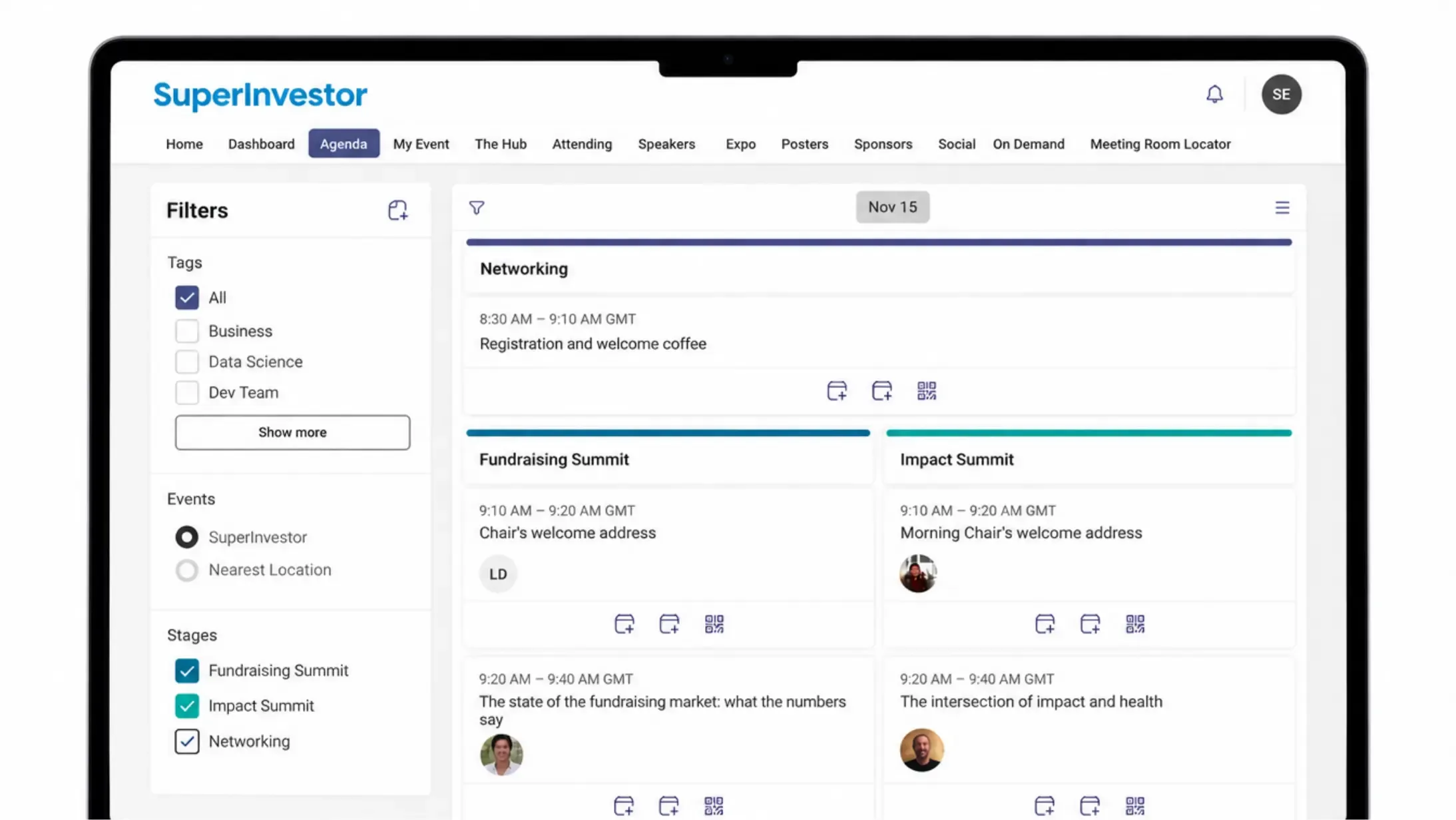 Case study Event Technology · Integrations
Building and Evolving an Enterprise Event Platform
See how Toobler engineered enterprise event technology across registration, sponsors, exhibitors, meetings, mobile, reporting and integrations.
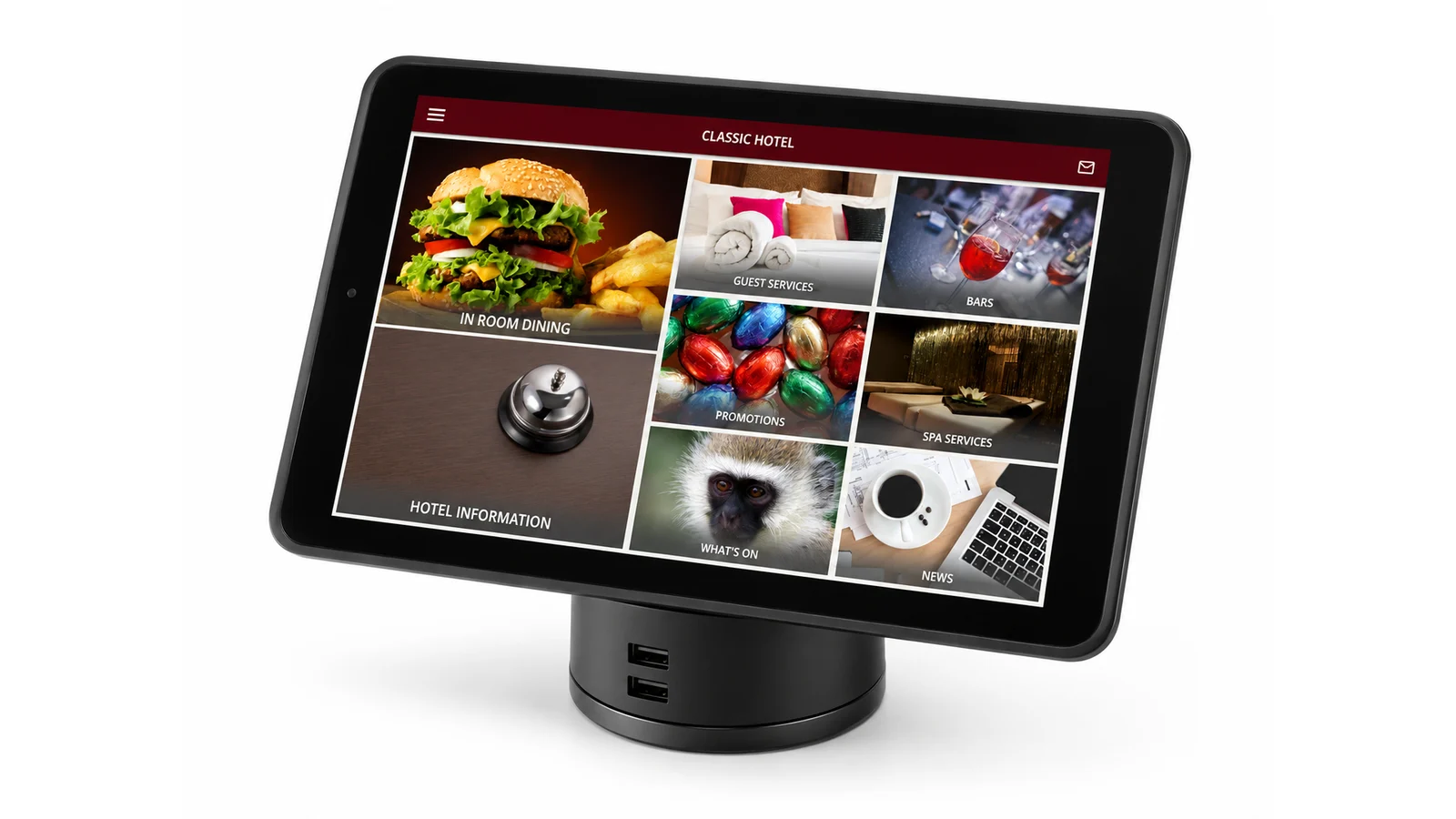 Case study Hospitality · Multi-tenant · Offline-first
A decade engineering the in-room guest experience
How Toobler engineered Tapendium's guest-engagement platform — multi-tenant, offline-first in-room tablets with a real-time CMS, Samsung Knox fleet management and PMS/POS integration — over more than a decade.
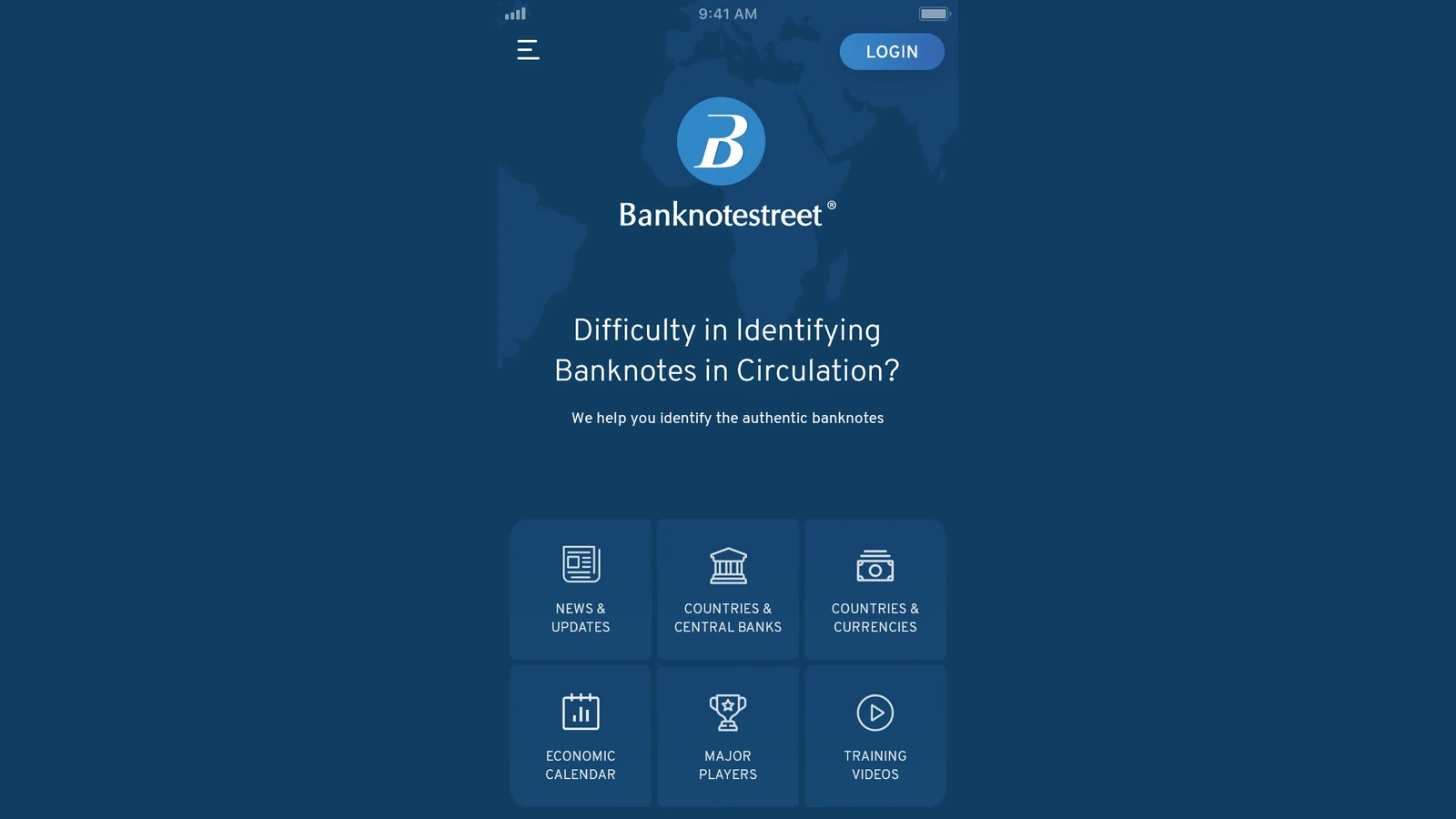 Case study SaaS Product Engineering · Mobile
A reference platform for banknotes and coins
How Toobler built Banknote Street — a subscription reference platform for banknote and coin collectors and currency professionals: a searchable catalog of the world's currencies with security features annotated on each note, across web and native iOS/Android.
Modernizing a business-critical platform?
You get a map of the current system and a phased modernization plan.