Solutions · Connect
Systems and data, connected
Most operations run on systems that don’t talk to each other. We connect platforms, APIs, devices and enterprise data — CRM included — into one operational picture, so information flows instead of being re-entered by hand.
Why integration work stalls
The systems are rarely the problem. Integration stalls because no one owns the model between them — each platform is the source of truth for one thing and a stale copy of everything else, and the gap gets papered over with exports, spreadsheets and a person who remembers which number to trust.
That is why point-to-point connectors multiply without the picture ever getting clearer. Every new link adds a translation nobody wrote down, and the first question in any incident becomes which system was right.
We start with the model rather than the pipes: what each entity means, which system owns it, and what has to stay true after a sync. The connectors come second, and they are the easy part.
What it covers
Make your systems talk
-
APIs & platforms
Connect the platforms and services your operation already runs on.
-
CRM & enterprise data
Join fragmented data — including CRM — into one source of truth.
-
Devices & real-world
Bring device and operational data into the same picture.
How an engagement runs
From first step to running
- 01
Audit
Map the systems, data and the gaps between them.
- 02
Design
The integration architecture and the source of truth.
- 03
Build
The connectors, APIs and pipelines that move the data.
- 04
Operate
Monitor the flows and keep them healthy as things change.
Proof
Where it has run before
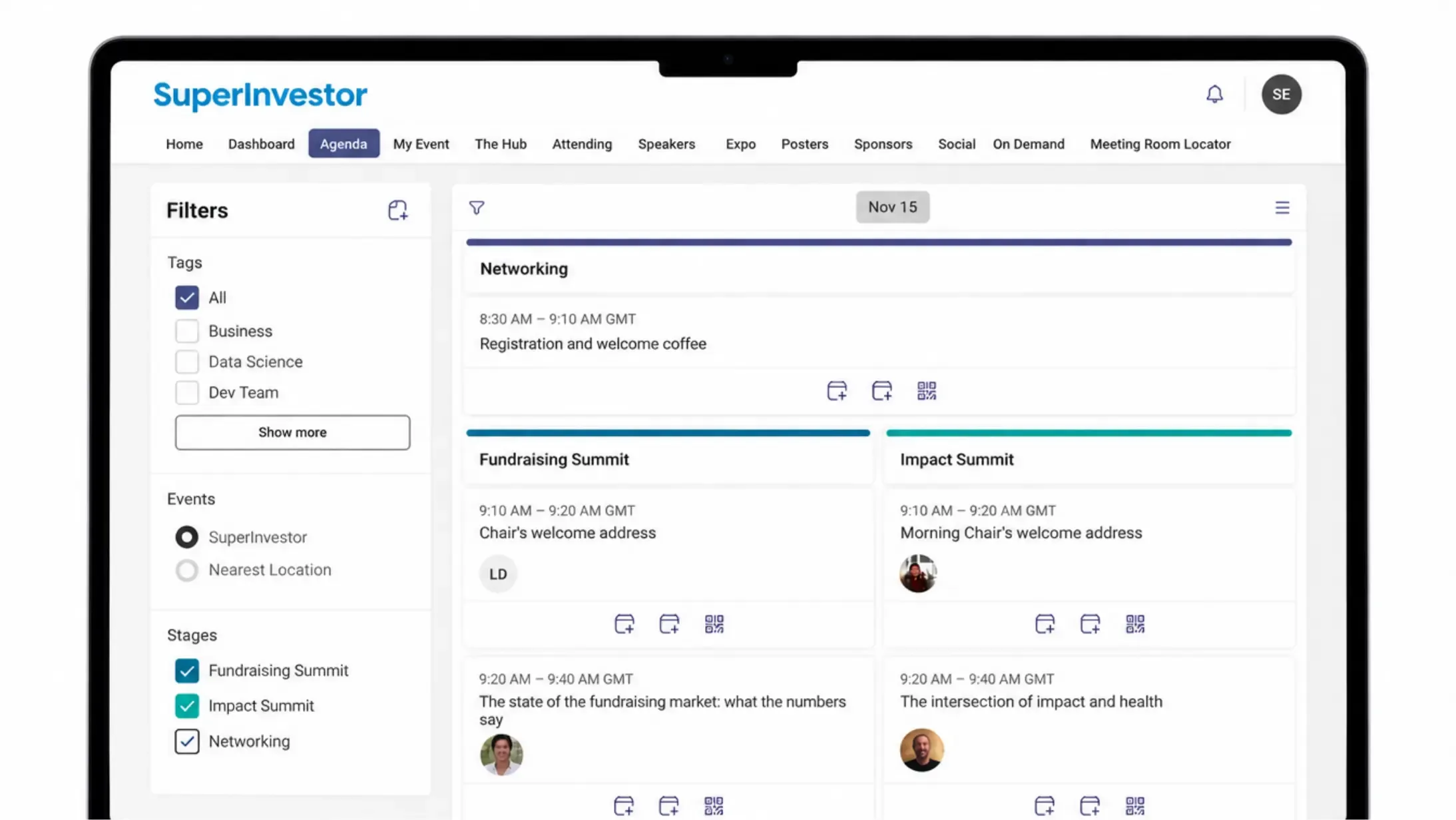 Case study Event Technology · Integrations
Building and Evolving an Enterprise Event Platform
See how Toobler engineered enterprise event technology across registration, sponsors, exhibitors, meetings, mobile, reporting and integrations.
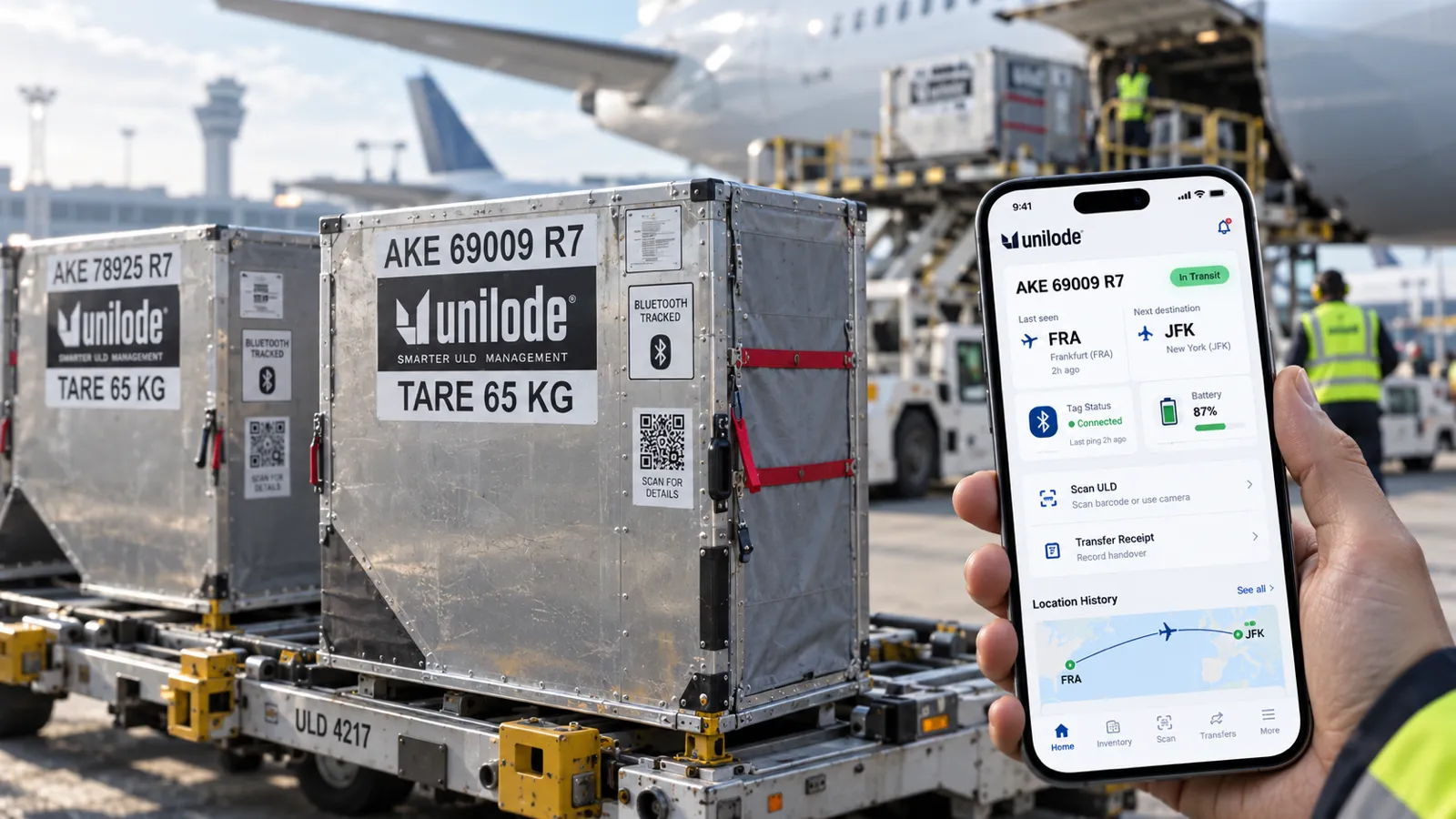 Case study Aviation · IoT · Data Platform
Taking ownership of a live aviation platform
How Toobler took ownership of Unilode's customer-facing platform — an enterprise data warehouse, React portals, a C#/.NET API and a React Native ULD-tracking app — through a live vendor transition.
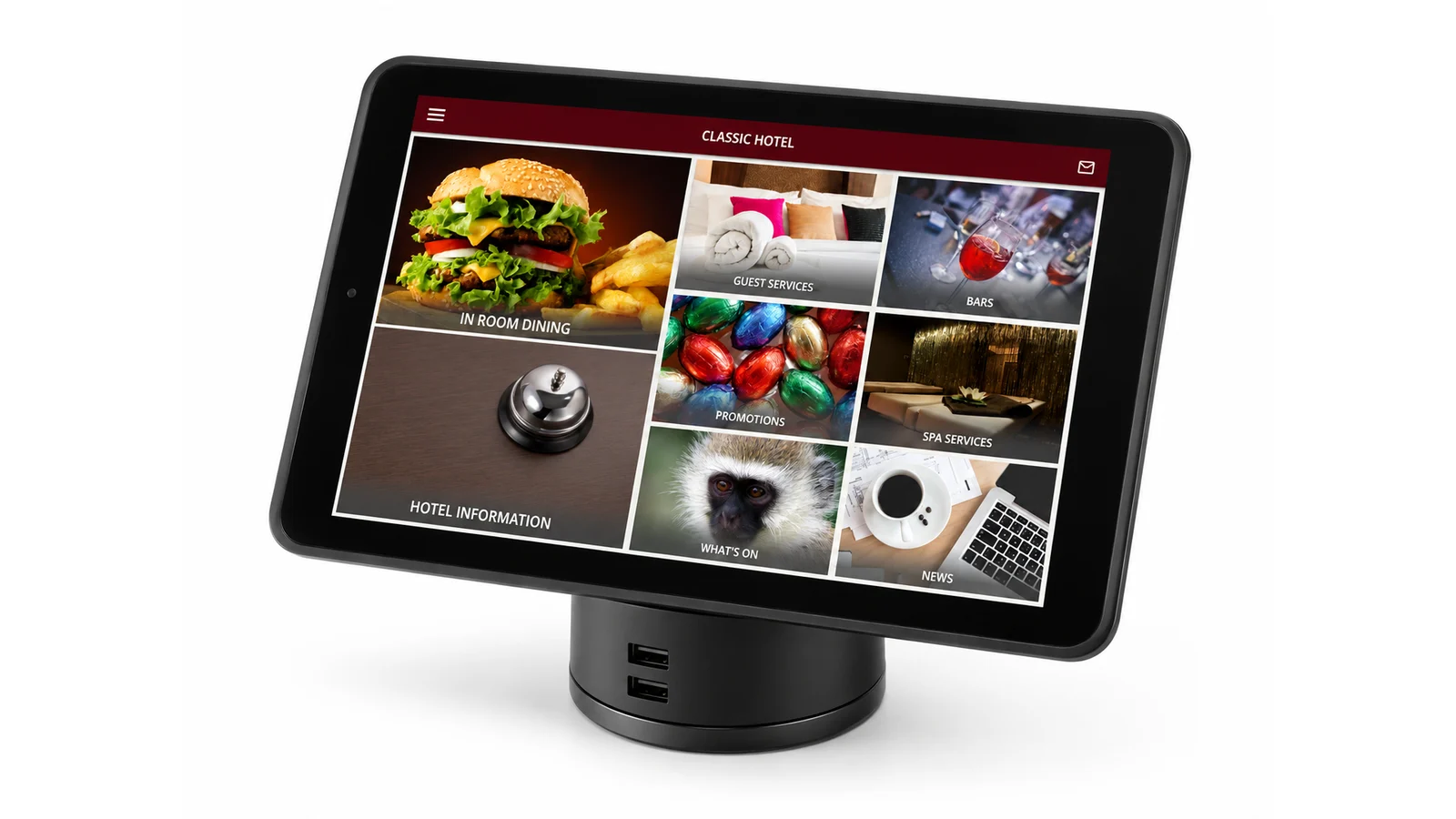 Case study Hospitality · Multi-tenant · Offline-first
A decade engineering the in-room guest experience
How Toobler engineered Tapendium's guest-engagement platform — multi-tenant, offline-first in-room tablets with a real-time CMS, Samsung Knox fleet management and PMS/POS integration — over more than a decade.
Systems that don’t talk to each other?
We’ll map your data and integration gaps and produce a plan.