Industrial IoT & connected-operations software
Turn connected assets into decisions
Industrial equipment produces data long before anyone can act on it. Toobler builds the software layer that connects, monitors and controls physical assets at scale — connected lighting, smart buildings, greenhouses and industrial operations — turning the physical world into something you can see, understand and act on. The software layer, not the hardware.
Industrial IoT and digital twin, the same direction
Industrial IoT and digital twins are two names for one ambition: a live digital representation of the physical world — its assets, their state, and the ability to act on them. Toobler builds that software — the platforms that connect thousands of devices, model the estate, monitor it in real time and control it: the connected-asset and operational-control layer a digital twin is built on. We are a software and platform partner, not a hardware shop — we engineer the systems, the data and the applications, and integrate with your devices over the protocols they speak.
What you get
IoT platforms, end to end
-
Device management & provisioning
Onboarding, linking, configuration and lifecycle management for large device fleets — with the structure real deployments have (sites, zones, roles, access control).
-
Real-time monitoring & telemetry
Live data from device to dashboard — MQTT ingestion, time-series storage, and visualization that shows what devices are doing as it happens.
-
Cloud-native, scalable platforms
Container-orchestrated architectures (Kubernetes) that grow with the number of devices and users — scale designed in, not bolted on.
-
Protocol & system integration
MQTT, WebSocket and APIs — connecting devices, gateways and applications, and integrating with the systems around them.
-
Data pipelines & dashboards
Collecting, aggregating and archiving device data at scale, and turning it into the dashboards and analytics operators rely on.
-
Secure multi-tenant access
Authentication, roles and access-control across organizations — many tenants on one platform, each isolated and secure.
Who this is for
Where we build it
-
Smart buildings & connected lighting
Offices, retail, warehouses and public spaces where lighting, sensors and energy become a connected, controllable and measurable system.
-
Horticulture & controlled environments
Greenhouses and grow operations where thousands of LED fixtures, sensors and climate systems are managed and automated as one.
-
Industrial & operational IoT
Operations that need to connect, monitor and control physical assets and equipment at scale, in real time.
-
IoT product companies & device makers
Hardware and device businesses that need the software and platform layer built around their products.
How an engagement runs
From scope to a platform at scale
- 01
Scope
The devices, the data, the protocols and the scale, mapped — ending in what to build first.
- 02
Build
The platform itself — device management, real-time data and the applications on top.
- 03
Integrate
Your devices, gateways and systems, connected over the protocols they already use.
- 04
Scale
Hardened on cloud-native foundations, and still developing as your fleet grows.
Proof
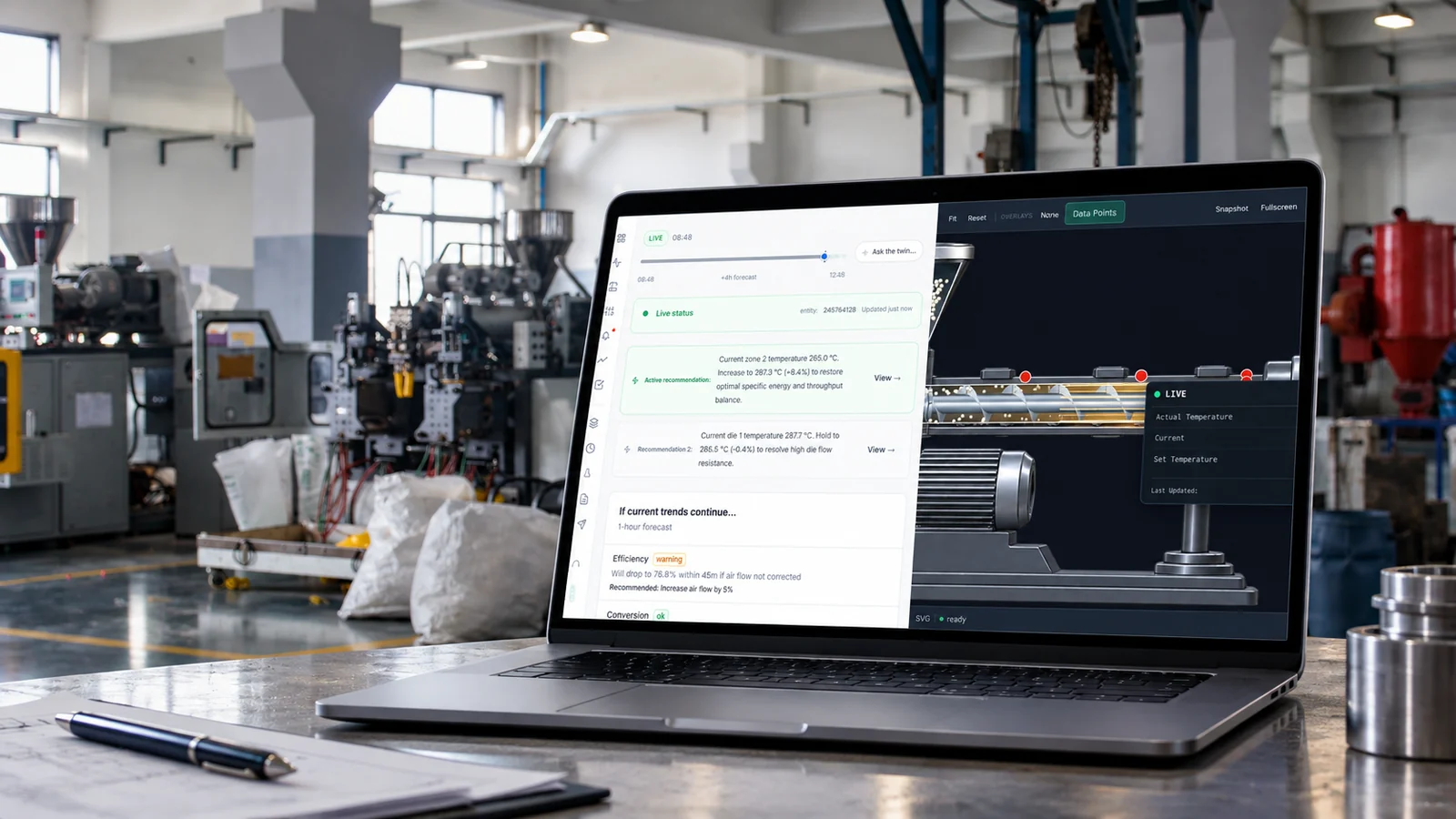
A machine's own PLC signals, modeled at the line
A real-time physics digital twin of an extrusion line, and an assistant that recommends the smallest dial change that clears a fault
How Toobler built a real-time physics digital twin and an AI recommender for a plastics extrusion line, advising the smallest dial change that clears a fault.
Proof
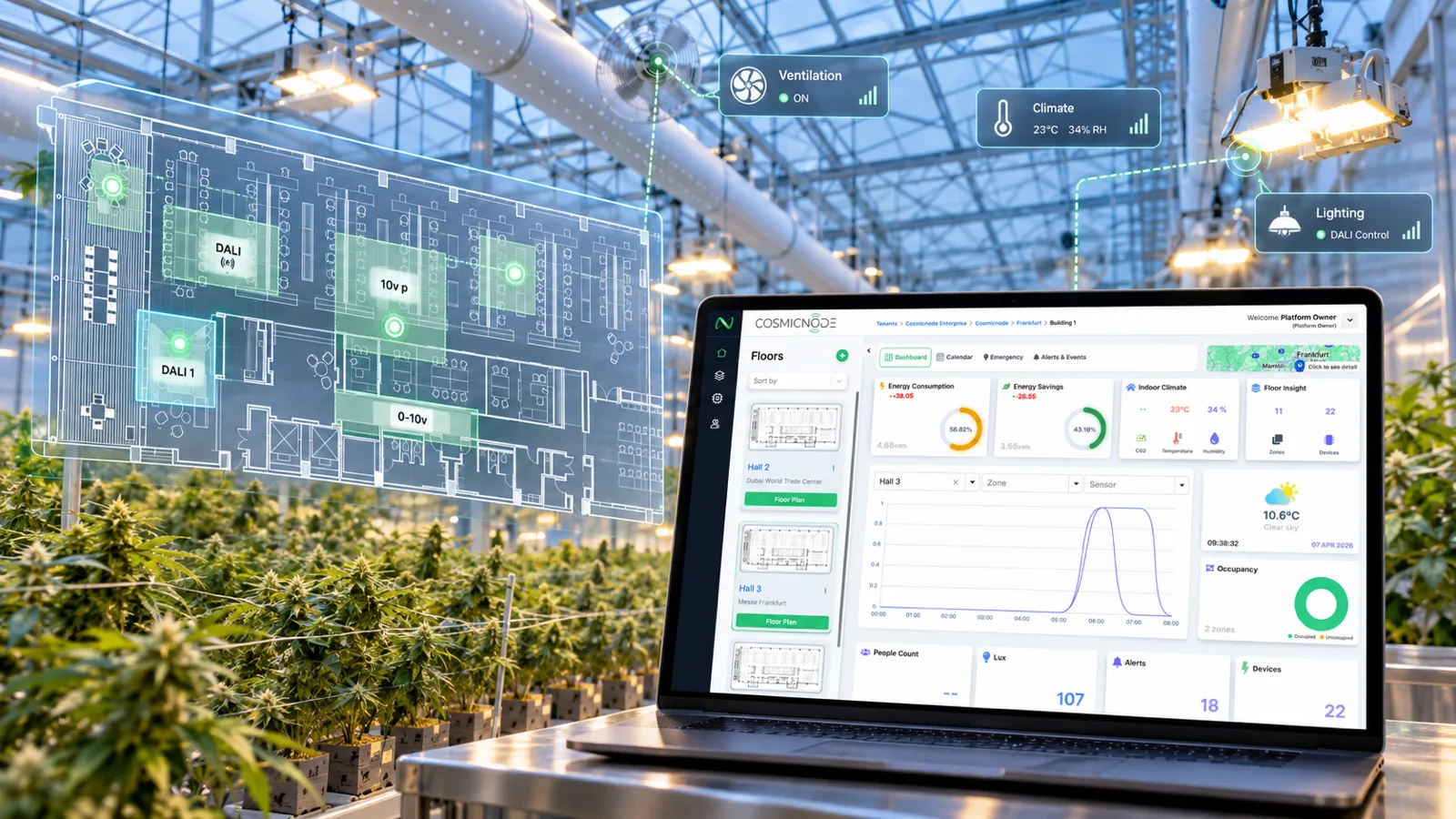
CosmicNodeThe software platform behind connected lighting
Infinity — the multi-tenant, multi-site cloud platform Toobler built for CosmicNode: it turns thousands of connected LED fixtures and sensors across greenhouses and smart buildings into one remotely managed, monitored and automated system.
How Toobler built Infinity — the multi-tenant, multi-site cloud platform behind CosmicNode's connected lighting: real-time control and monitoring of thousands of LED fixtures and sensors across greenhouses and smart buildings, on a cloud-native (Amazon EKS) architecture.
Proof
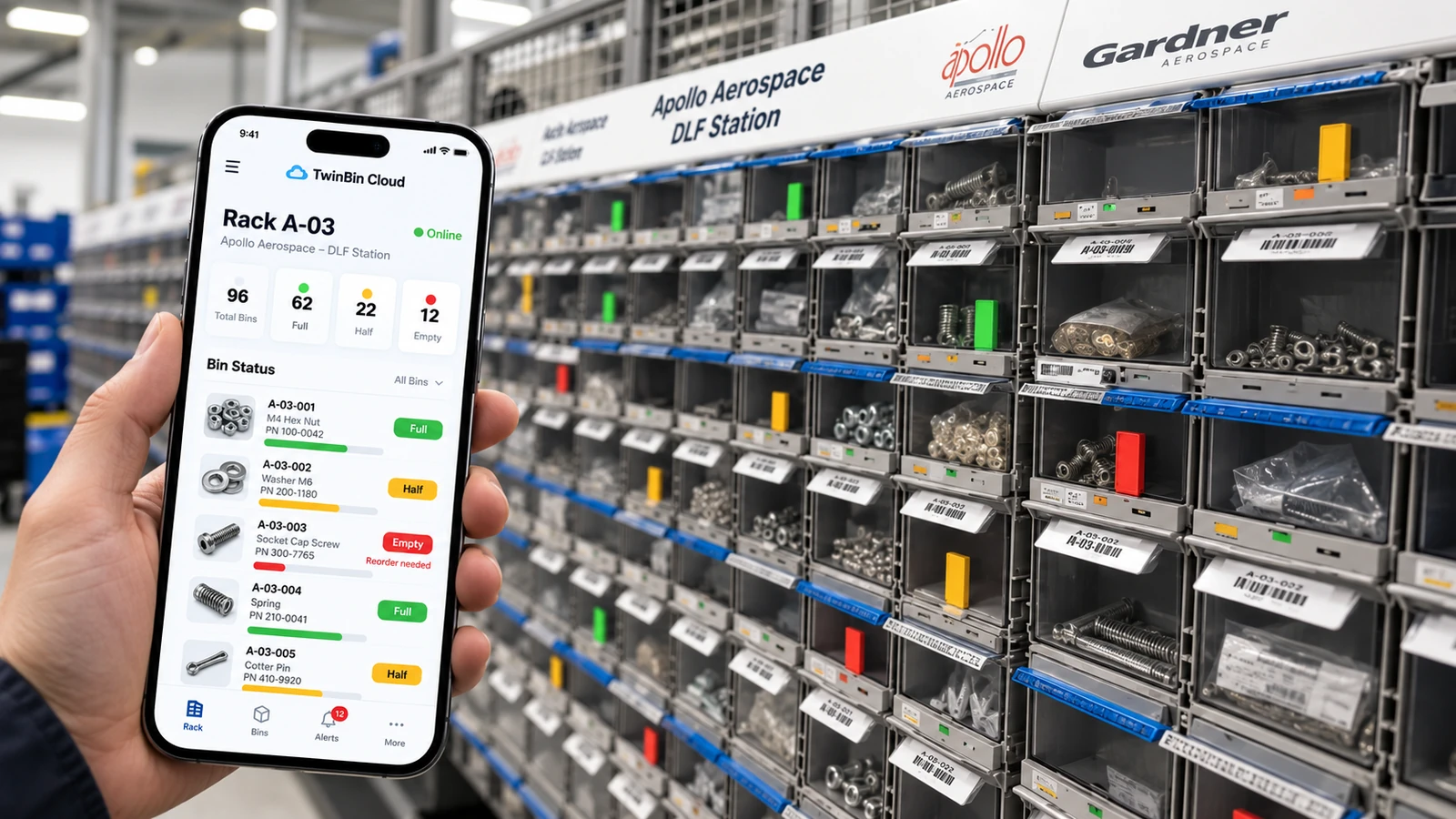
Hurst Green PlasticsConnected bin-inventory monitoring, sensor to cloud
How Toobler built TwinBin Cloud for Hurst Green Plastics — a connected bin-inventory system with a custom IoT sensor device, a wireless mesh of nodes and gateways, a cloud platform, and web and mobile apps.
Building an IoT platform?
If you're building a connected-device product and need the software and platform engineered and scaled with you, talk to Toobler's engineering team. We'll scope it and show you what to build first.