Solutions · Act
AI and workflow automation, governed
AI in a business-critical workflow can’t run on outputs no one can check. Yours runs governed — the model proposes, a human approves, every step audited — on Zahen, Toobler's governed agentic-AI platform.
Why AI stalls in business-critical work
AI pilots rarely fail on model quality. They fail at the point where someone has to put their name on the output — because nothing in the pipeline can show where a number came from, and no one will sign off on a result they cannot trace.
So the governance is not a compliance layer bolted on afterwards. It is the thing that makes the automation deployable at all: every claim carries a reference to the data that produced it, every output that reaches a customer passes a human, and the trail is append-only.
The automation that survives contact with a real workflow is usually narrower than the demo and further from autonomous. It drafts, it flags, it proposes — and a person decides.
What it covers
AI you can actually run
-
Human-in-the-loop
The model proposes; a person approves before anything ships.
-
Auditable by design
Every AI action is logged — what was generated, reviewed and published.
-
Built on Zahen
Toobler's governed agentic-AI platform, with the credential and approval boundaries built in.
How an engagement runs
From first step to running
- 01
Find
Where AI actually adds value in the workflow.
- 02
Design
A governed flow with a human approval gate.
- 03
Build
On Zahen, with the credential and approval boundaries built in.
- 04
Review
A person approves every output; every step is audited.
Proof
Where it has run before
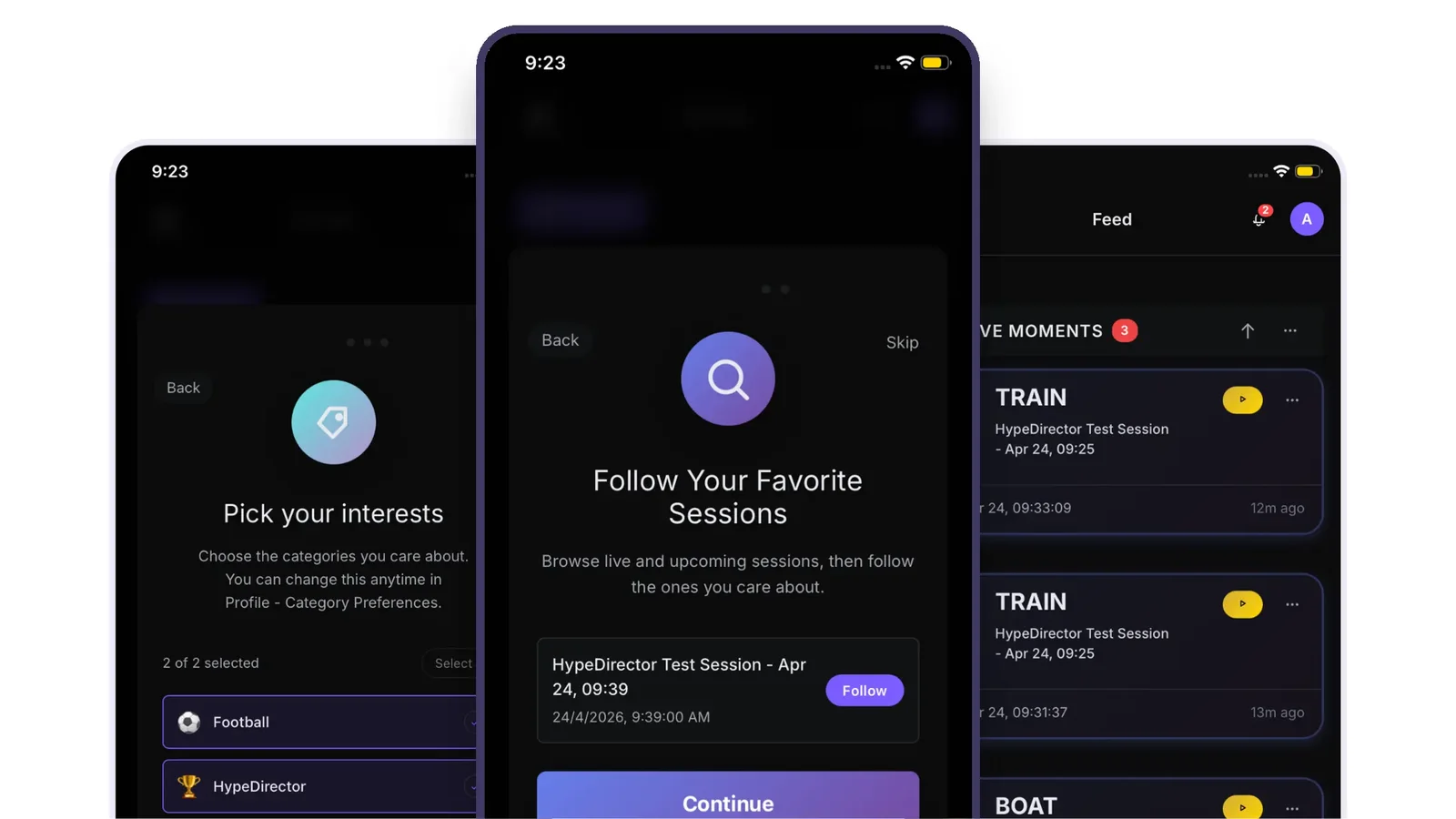 Case study Live Streaming · Real-time · AI
A real-time platform for live moments
How Toobler engineered HypeDirector — a real-time, AI-powered live-content platform across native iOS/Android, PWA and web: live streaming, AI-and-human moment detection, a live clip-and-notify pipeline and real-time push at scale.
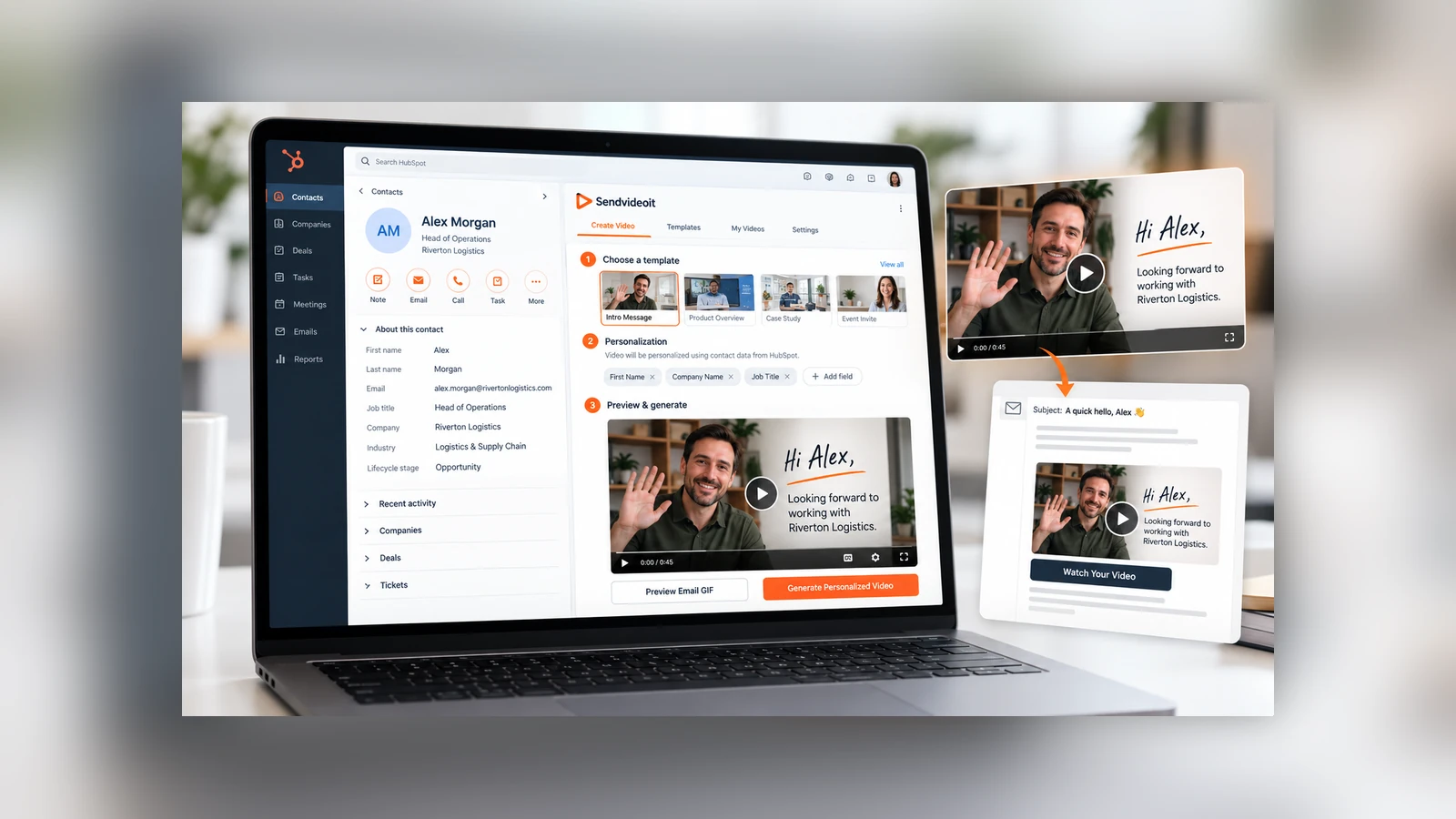 Case study Video · Multi-tenant
Personalized prospect videos, straight from HubSpot
How Toobler built a HubSpot-native personalized-video platform — templates merged with CRM contact data to auto-generate a personalized video and email GIF for every prospect, on a multi-tenant SaaS.
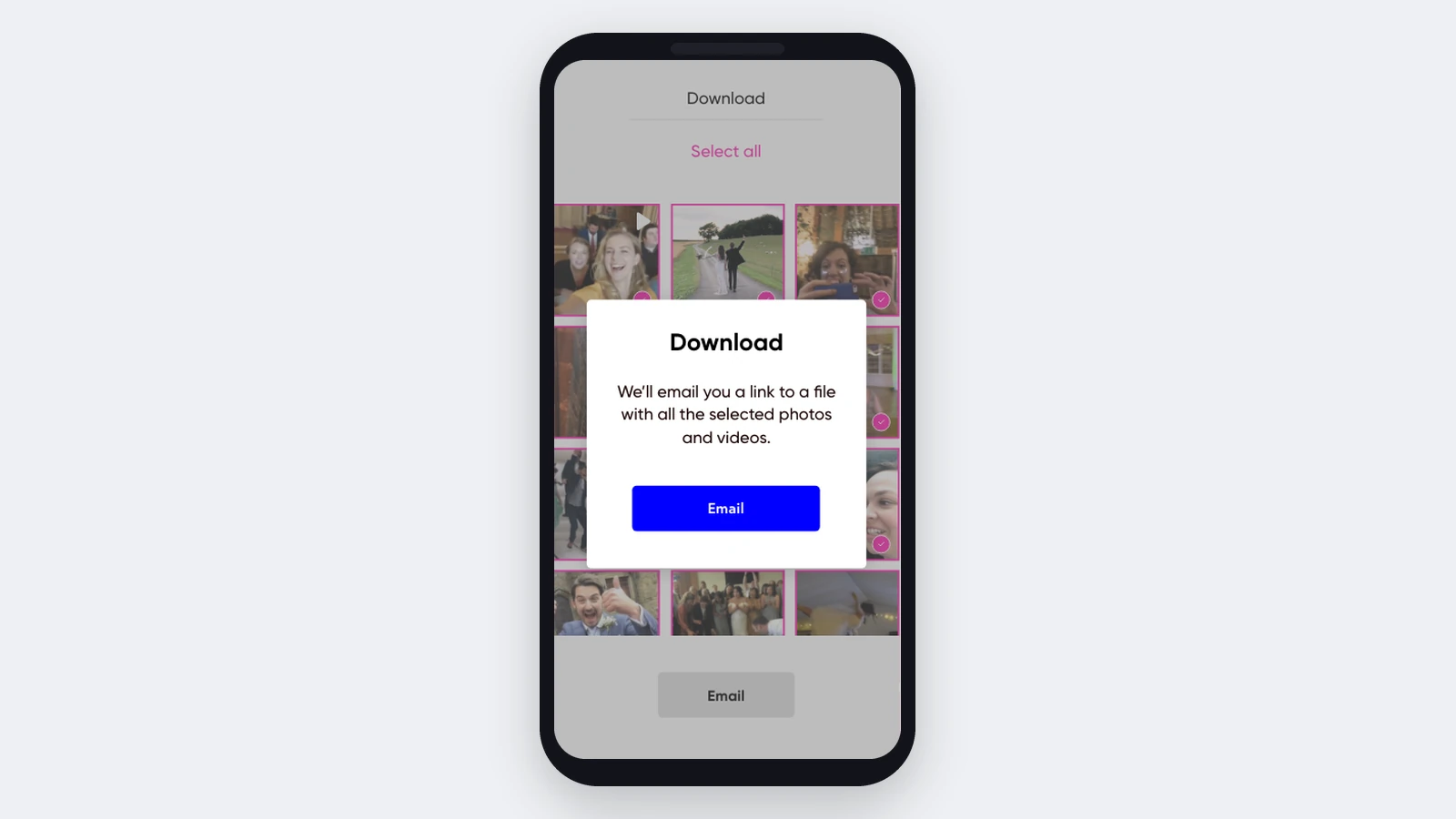 Case study Video · Serverless
A platform for creating and sharing video
How Toobler built vidiCrew — a collaborative video-production and media platform on a serverless AWS pipeline (MediaConvert to HLS to CloudFront), with searchable galleries and web plus native iOS and Android apps.
Bringing AI into a real workflow?
Find where governed AI adds value in your operation, and how to ship it safely.