
Industries
See cost and progress before they slip
The construction-to-facilities lifecycle generates asset, handover and operations data that rarely survives the handover intact. Toobler applies the same engineering capability that connects, modernizes and governs the platforms this lifecycle depends on.
Where it applies
Where the engineering applies across the lifecycle
Design, construction handover, asset registers and facilities-operation systems hold data that is critical downstream but often lost or re-keyed at each handover.
Toobler’s engineering method integrates those systems so lifecycle data carries through, modernizes the platforms operations depend on, builds the operational context that makes asset and building state visible, and adds governed automation with human approval — engineering capability applied across the construction-to-facilities lifecycle.
Solutions
What we engineer for construction
- Capability
Construction Cost Forecasting & Estimating Software
Cost reporting tells you what already happened. Forecast project cost, reconcile cost against value (CVR), and see variance before it reaches the numbers.
- Capability
Construction Project Management & Tracking Software
Construction data sits in separate systems and no product template joins them the way your teams work. Projects, cost, workforce and site in one platform.
Method
Connect, Modernize, Understand, Act, Operate
The same five-stage method underpins every platform we engineer — only the systems and outcomes differ.
- 01
Connect
Integrate the applications, SaaS tools, databases, documents and devices that hold operational data, so information flows reliably rather than sitting in silos.
- 02
Modernize
Rework the brittle legacy platforms that critical processes depend on, so the platform itself can keep changing.
- 03
Understand
Give teams and machines shared context — data engineering, analytics and, where it earns its place, digital-twin modeling — so state and relationships are visible.
- 04
Act
Add governed AI assistants, agents and workflow automation with human approval, so decisions and tasks move without waiting on manual hand-offs.
- 05
Operate
Keep engineering the platform after go-live — reliability, support and continuous improvement, not a one-off project.
Proof, not promises
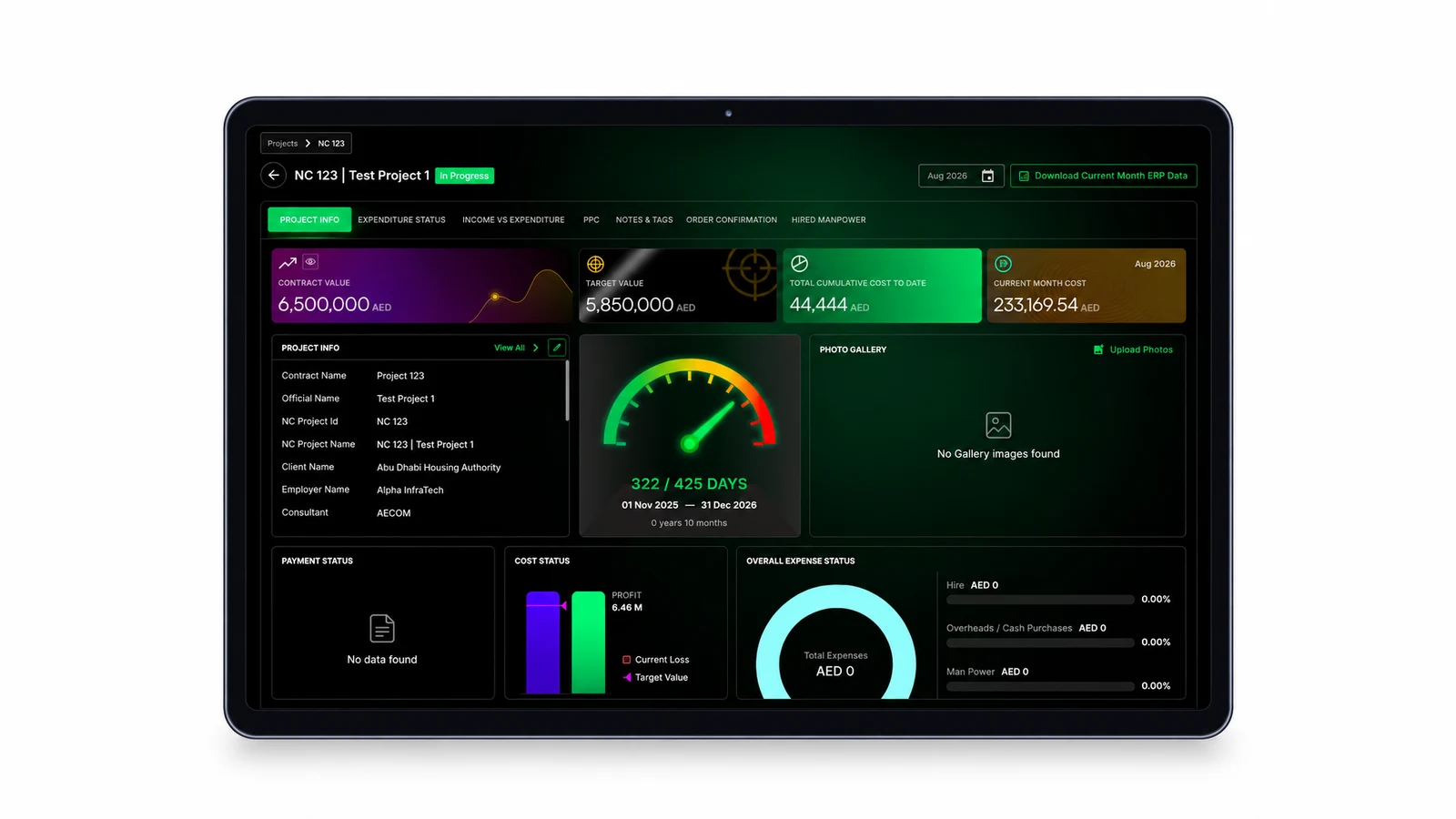
NaelConstruction cost intelligence, engineered
A construction cost-management and AI expense-forecasting platform, engineered on the group's own project data
How Toobler engineered a construction cost-intelligence platform for Nael — structured cost management, CVR and machine-learning expense forecasting from macro-economic signals.
Proof, not promises
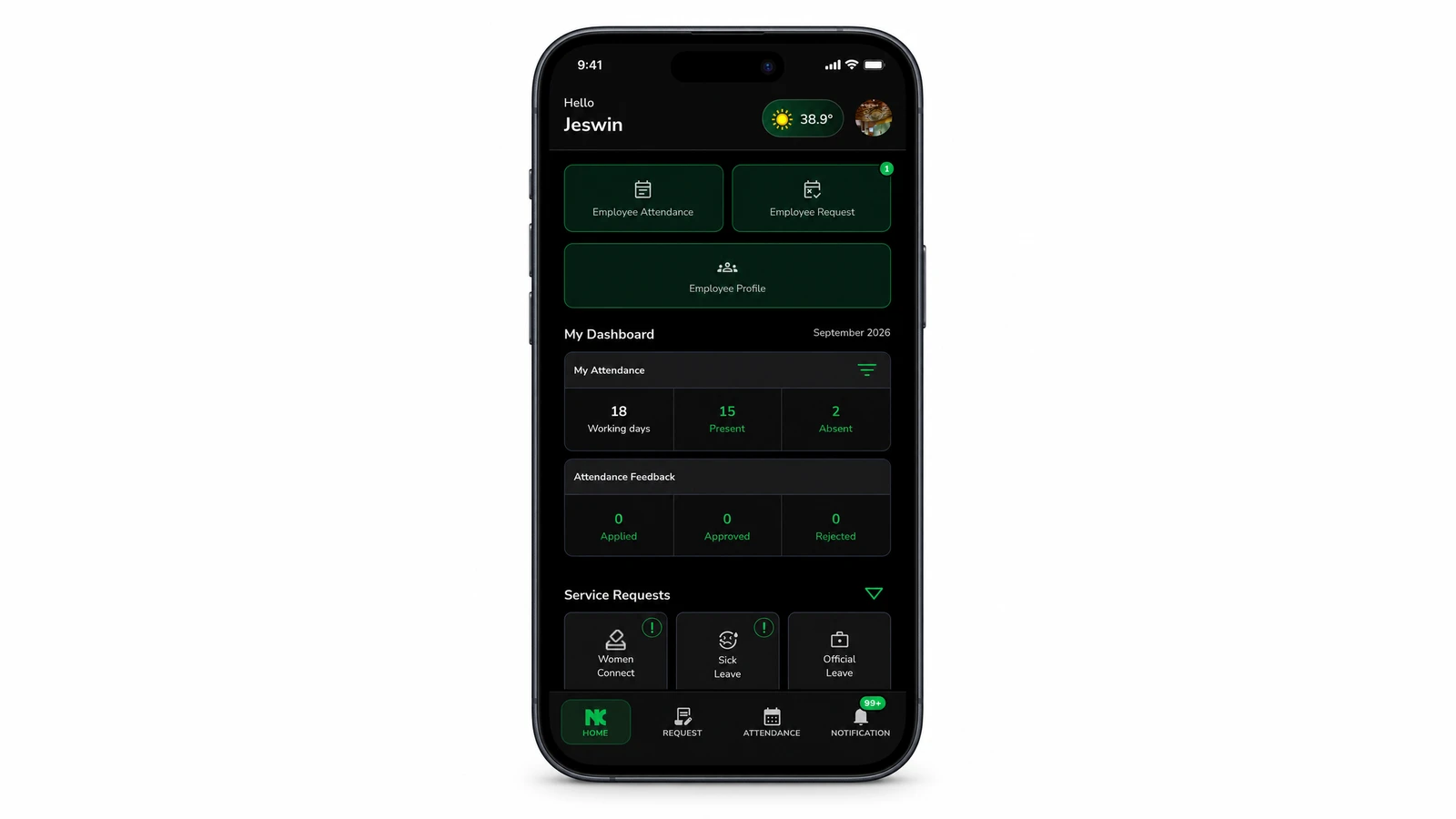
NaelWorkforce and field operations on one platform
A construction workforce and field-operations platform — attendance, leave, appraisals and a site-ready mobile app
How Toobler engineered a construction workforce and field-operations platform for Nael — mobile attendance, connected HR and a site-ready app on one platform.
Proof, not promises
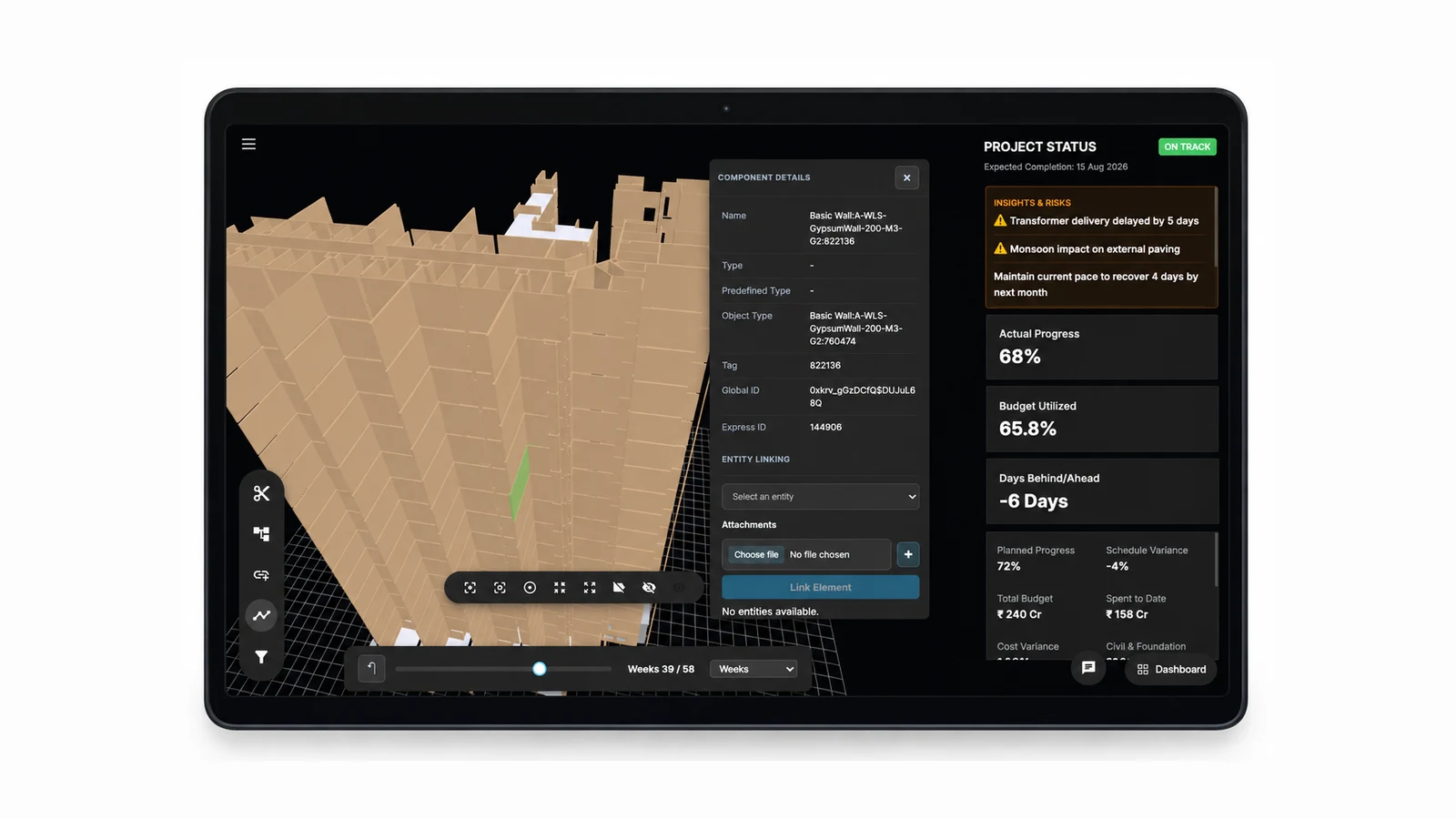
NaelA construction progress digital twin, integrated with BIM
A BIM-integrated construction progress digital twin — simulation, live monitoring and AI forecasting of cost, timeline and resources
How Toobler engineered a BIM-integrated construction progress digital twin for Nael — simulation, live monitoring and AI forecasting of cost, timeline and resources.
Across the whole operation
Connect · Modernize · Understand · Act · Operate
Systems & Data Integration
Information gets re-keyed because systems were never designed to talk. Connect fragmented systems, APIs, devices and enterprise data into one picture.
Platform Modernization
Legacy platforms do not get replaced overnight and cannot go dark. Modernized in place — re-architected, debt paid down, the operation still running.
Operational & Asset Intelligence
Assets and devices produce data long before anyone can act on it. Turn it into a live operational picture — IoT platforms, operational twins, decision support.
AI & Workflow Automation
AI in a business-critical workflow cannot run on outputs nobody can check. The model proposes, a human approves, every step audited — on Zahen.
Managed Product Engineering
Some teams would rather not carry a product alone. Toobler runs dedicated engineering pods that build, evolve and operate it long-term — web, mobile and cloud.
SaaS Product Engineering
SaaS products outgrow the architecture that launched them. Toobler designs, builds, scales and re-platforms software products for SaaS companies, ISVs and funded startups.
Discuss your platform
If your business runs on a critical operational platform, the same engineering method applies. Talk to us about where fragmentation is costing you most.