For operations and commercial teams
One operational view of your venue
Booking, access, AV, catering, parking and facilities each run on their own system, and nobody has one picture of the building. We integrate what you already own, build what is missing, and leave your teams working from the same numbers. The engineering behind it is proven in hotels, aviation and manufacturing; a venue would be our first.
Why the building's data never adds up
- 01 — The problem
A venue collects its systems one at a time, each for one job: a booking system for space, a separate diary for catering, access control that knows who badged in, AV and networking that log their own faults, a CRM holding the client relationship and a finance system that bills it. Each is sensible alone. Together they leave nobody able to say what an event cost to run, which spaces earn their keep, or why a client keeps asking for something the last event already proved difficult.
- 02 — How we work
We start from the systems you own rather than proposing a replacement. We map what each one holds, agree the single model the building should be described in — spaces, events, clients, assets, staff — and build the integration and reporting layer that keeps them consistent. Where something genuinely is not there, we build that too.
- 03 — What changes
Operations and commercial teams work from the same numbers. A question about occupancy, event cost or client history gets one answer from one place, instead of three exports and a spreadsheet.
Scope
What we would build
Six pieces of work, roughly in the order they need doing. Every one is engineering we have delivered in another sector.
-
Integration between the systems you own
Booking, access, AV, catering, CRM and finance connected so a change in one shows up in the others, without replacing any of them.
-
One model of the building
Spaces, events, clients, assets and staff described once, consistently, so reports from different teams agree on what they are counting.
-
Operational reporting and occupancy
Dashboards and exports covering space occupancy, event cost and commercial performance, computed by rules you can inspect rather than a black box.
-
Visitor and client-facing technology
Wayfinding, schedules, check-in and event information on screens, phones or kiosks, driven by the same data your operations team works from.
-
Governed AI, where it earns its place
Approval-gated assistants over your own operational data: a named person approves anything consequential and the decision is recorded. Nothing acts by itself on a client, a booking or a bill.
-
Apps for the people running the day
What your duty managers, technicians and front-of-house staff actually do, on a phone, still working when the network does not.
Being straight about it
Where our proof comes from
Our venue proof is adjacent rather than direct. The integration, operational-data and apps engineering below was delivered in hospitality, aviation and manufacturing, and the sector sits on each card so you can judge how far the analogy carries.
What carries across is the shape of the problem: a physical estate, assets that move, bookings against space and time, and operational teams who need one answer rather than three. What does not carry across is the building itself — the regulatory, union, catering and event-day realities of a venue are yours, and we would be learning them with you.
So read everything above as what we would build for you. A shortlist that requires a venue reference is one we would lose, and that is worth establishing in the first conversation rather than the third.
Adjacent proof, by sector
The closest work we have actually delivered
Four engagements from other industries. The sector is on each card on purpose — judge the analogy yourself.
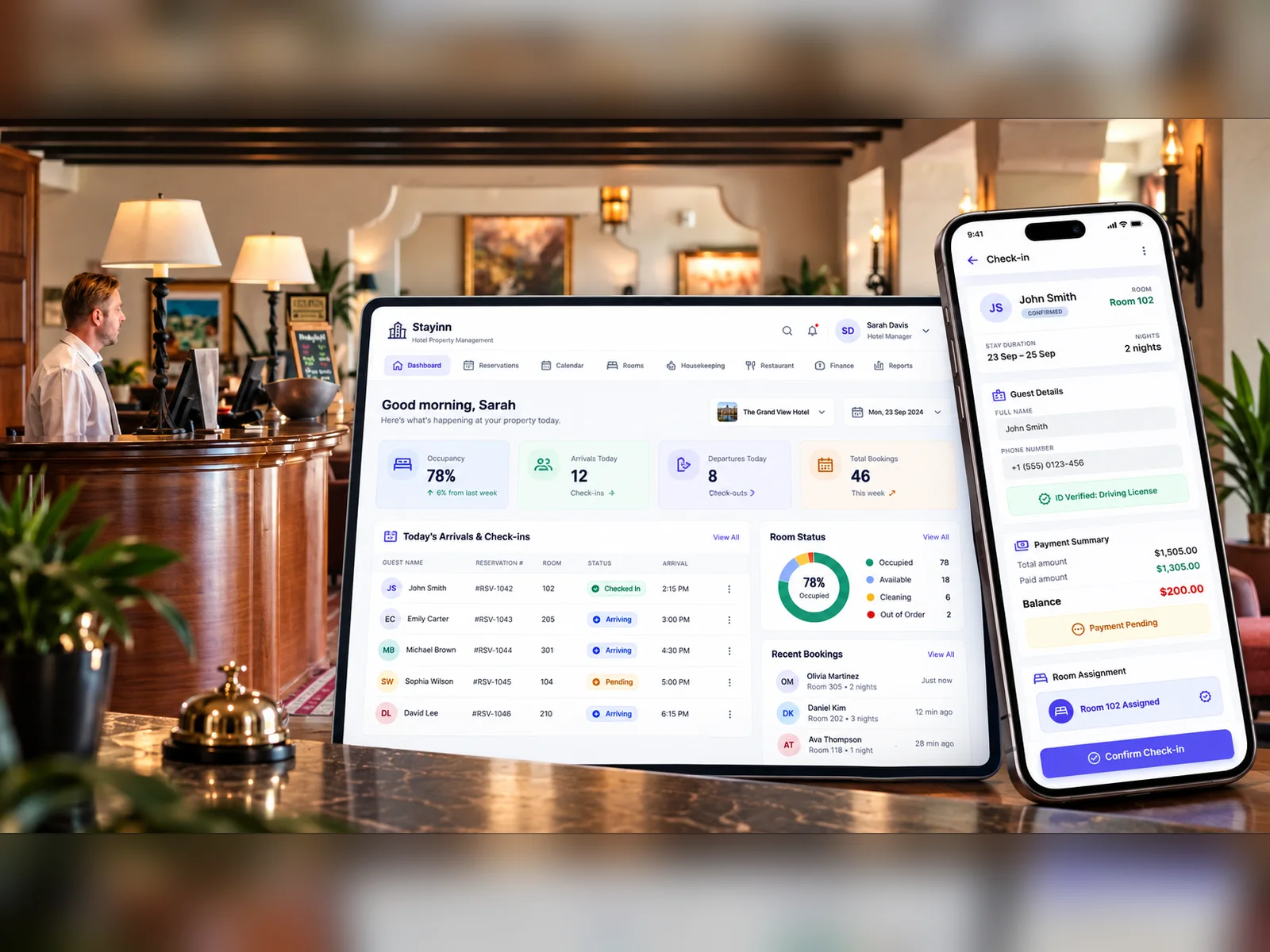 Case study Hospitality · PMS · Multi-tenant
A multi-tenant hotel property management system
Willmount is a mobile-first, multi-tenant hotel property management system — reservations, rooms, rates, housekeeping, restaurant, finance and OTA channels.
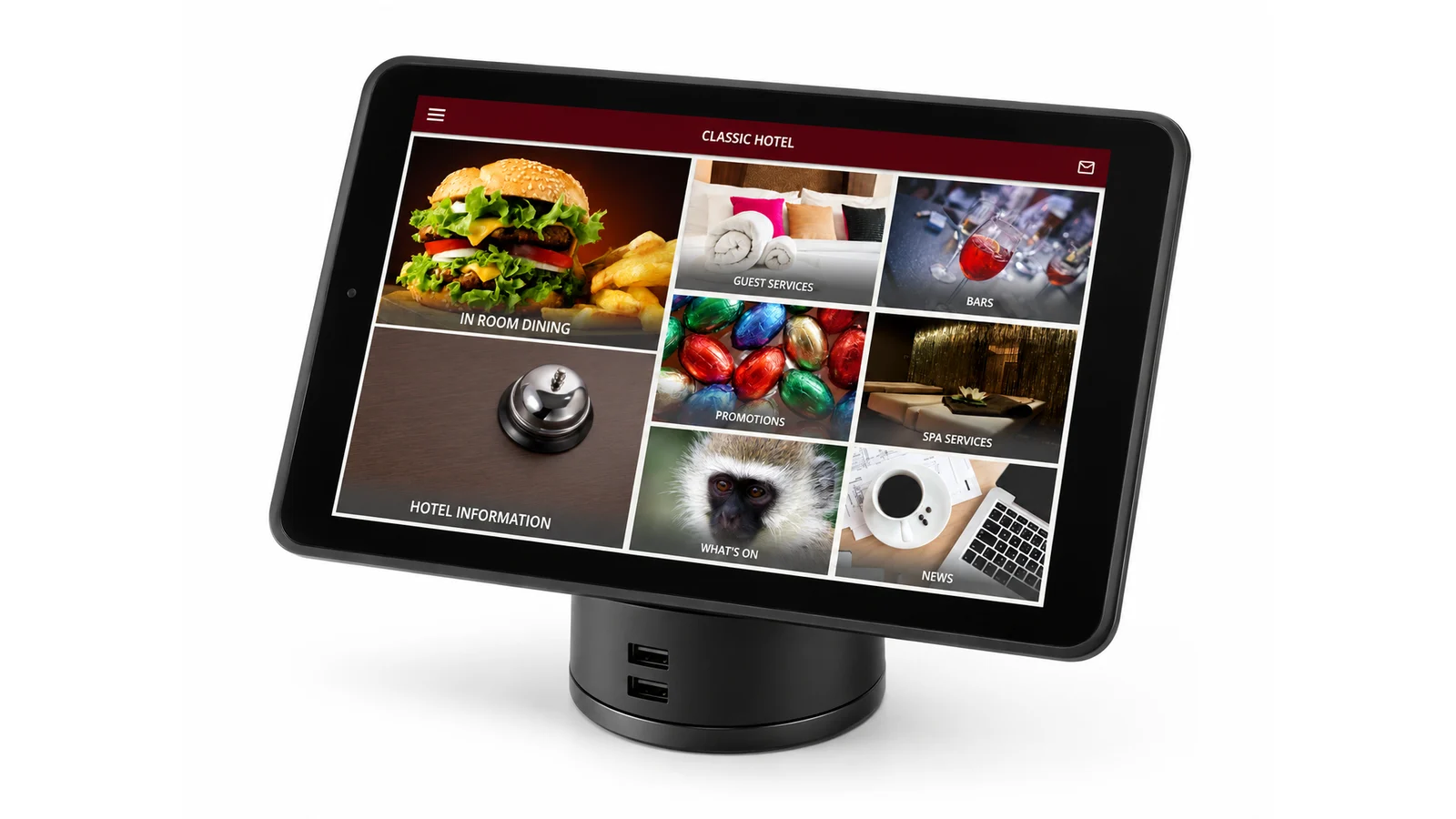 Case study Hospitality · Multi-tenant · Offline-first
A decade engineering the in-room guest experience
How Toobler engineered Tapendium's in-room guest tablet platform: multi-tenant, offline-first, with a real-time CMS and Samsung Knox fleet management.
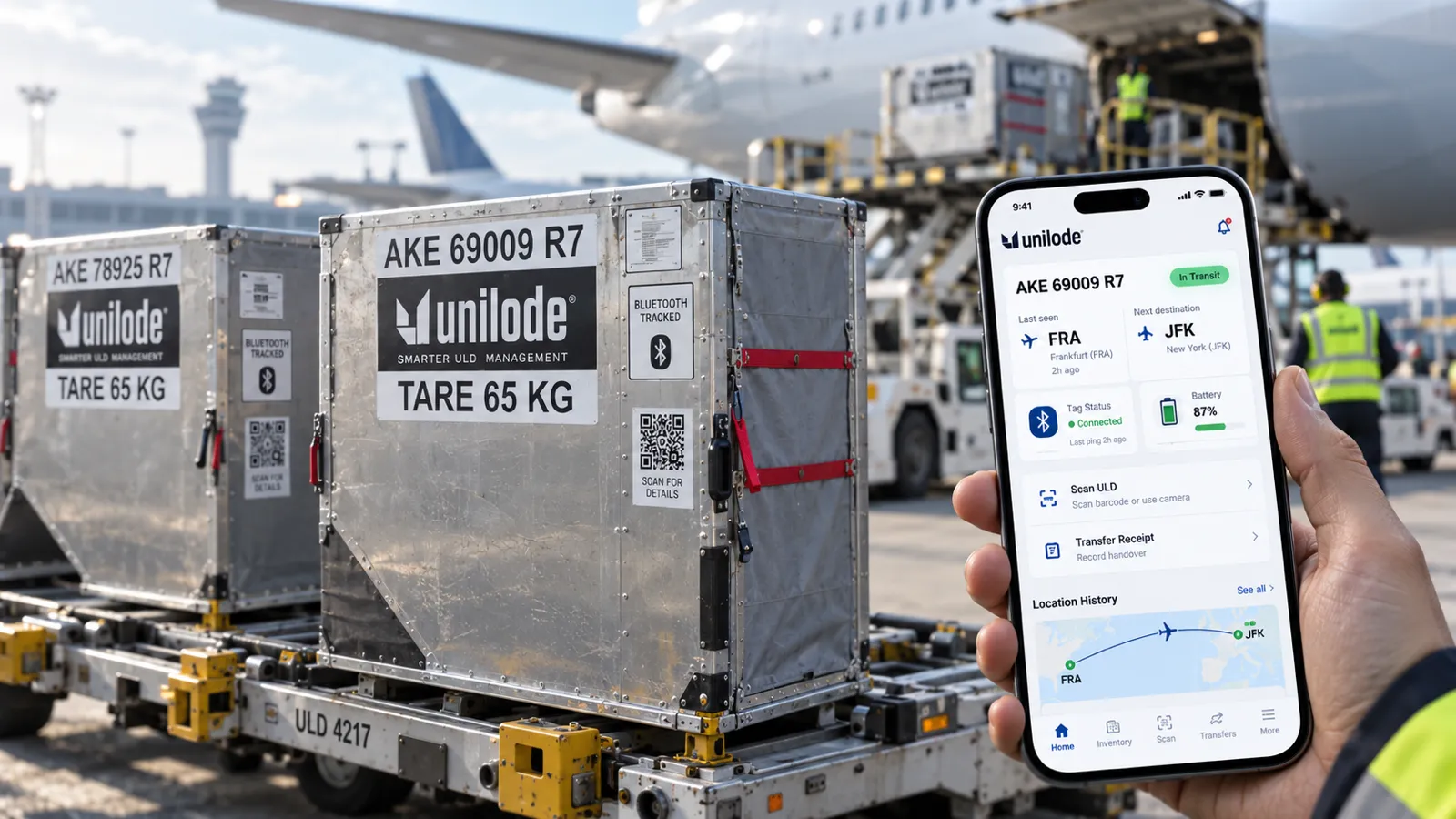 Case study Aviation · IoT · Data Platform
Taking ownership of a live aviation platform
How Toobler took over Unilode's air-cargo ULD platform: the E-ULD app for tracking and handing over ULDs, plus the customer and admin portals.
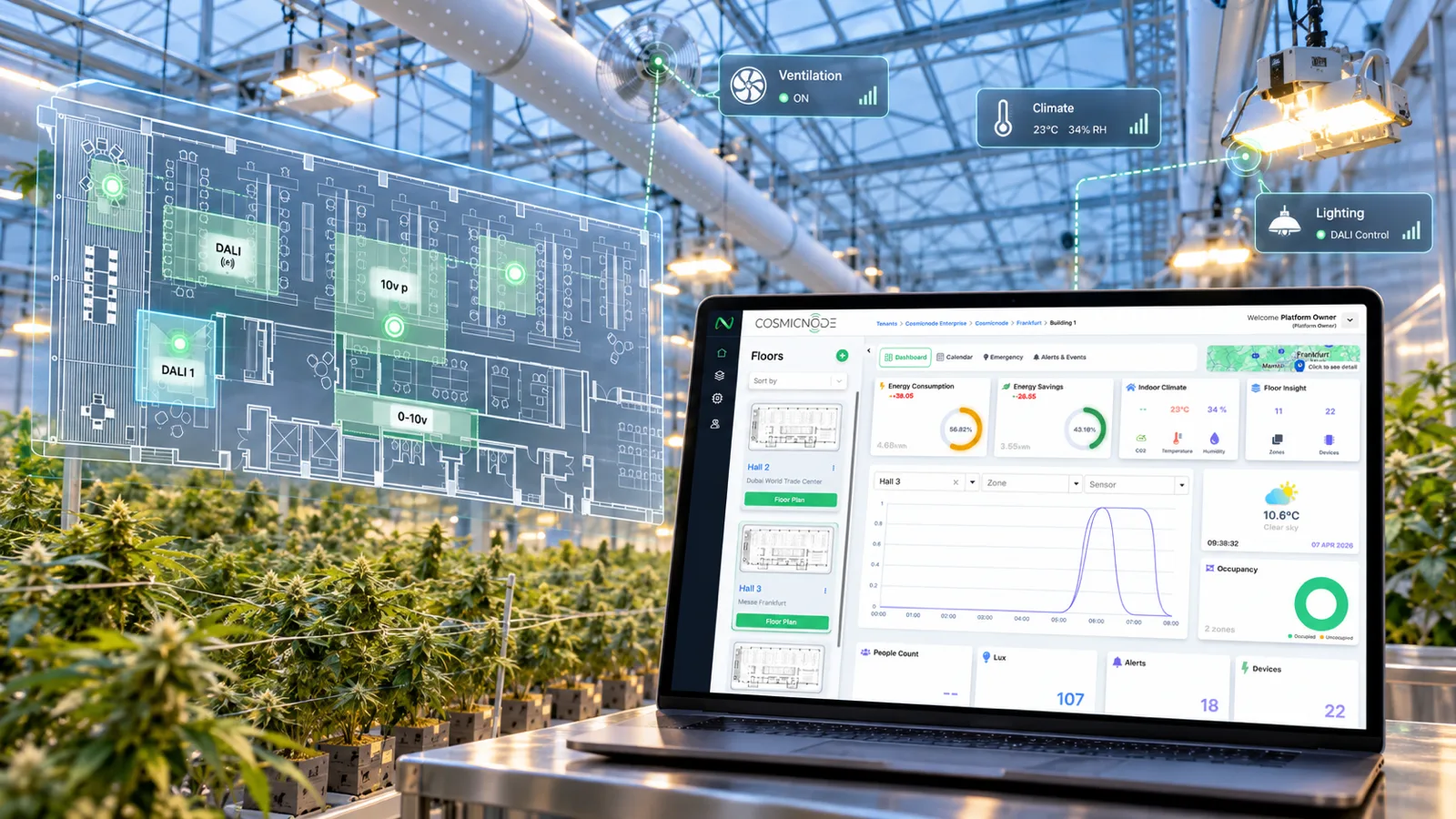 Case study IoT · Digital Twin · Real-time
The software platform behind connected smart lighting
How Toobler built a multi-tenant cloud platform for connected lighting: real-time control and monitoring of thousands of LED fixtures and sensors.
A small first step
How an engagement starts
Fixed-scope, paid discovery before anything is built.
- 01
Scope
Which systems and which questions are in scope, agreed in writing before we start.
- 02
Discover
In your systems, with your team — the people who already work around the gaps.
- 03
Assess
The gaps ranked by risk and commercial value, not by how interesting they are to build.
- 04
Hand back
An architecture and a prioritized plan, plus a first phase. Yours to keep, whoever builds it.
Start with a readiness sprint
We map your platforms, data and integration points, rank the gaps by risk and value, and hand back an architecture and a prioritized plan — yours to keep, whoever builds what comes next.